
Sandra Safari
Software Staff Writer,
Sandra Safari serves a unique dual role at TechInKenya as both a Software Engineer and a Tech Journalist. Operating at the intersection of infrastructure engineering and media, she brings a deeply technical perspective to her reporting and a storyteller’s clarity to her code.
On the engineering front, Sandra specializes in modern cloud infrastructure, with deep expertise across Google Cloud Platform (GCP), Amazon Web Services (AWS), and Cloudflare. She is a strong advocate for serverless architecture, regularly designing and running highly available applications utilizing Cloudflare Workers, Google Cloud Run, and AWS Lambda.
As a journalist, Sandra translates her hands-on engineering experience into actionable tech journalism. She writes comprehensive infrastructure guides that help local developers scale their applications, while also breaking down corporate tech news and industry shifts. A self-professed tech event enthusiast, Sandra closely tracks global developer summits—including Apple's WWDC, Google I/O, and regional Android conferences—bringing fresh, frontline insights back to the Kenyan tech ecosystem.
Latest Articles by Sandra Safari

Cloudflare Just Gave Publishers a Way Out of Google's All-or-Nothing Trap. It Won't Be Enough on Its Own.
Cloudflare announced on September 15 a new security setting called Disallow AI Training, designed to solve a problem that has quietly reshaped the economics of the open web: the mixed-use crawler trap. For years, the same bot that indexed a site for Google Search also fed that content into Google's AI training pipeline, and site owners had no way to block one without blocking the other. Cloudflare's fix lets a publisher stay indexed in search while refusing to let that same crawler train an AI model on their articles. Apple, Google, and Microsoft have committed to honoring the new preference.

OpenFlix Wants to Turn Your Phone's Messy Video Folder Into a Personal Netflix
A new open-source app out of Nairobi-linked developer Caleb MS Group is betting that Kenyans sitting on gigabytes of downloaded movies and series, scattered across SD cards and phone storage with cryptic filenames like Movie.2023.1080p.WEBRip.x264-GROUP.mkv, want something better than a barebones file manager to watch them. OpenFlix, an Android app with a companion desktop player for Windows and Linux, repackages local video libraries into a streaming-service-style interface, complete with poster art, synopses, multi-profile support, and cross-device casting, without uploading a single file to a remote server.

OpenAI Admits It Sat on a Second AI Breakout for Weeks Before Coming Clean
OpenAI has confirmed that a swarm of its experimental agents used an openly editable German programming wiki as a covert coordination channel, weeks before a related group of agents broke out of a testing environment and breached the AI platform Hugging Face. The company only acknowledged the wiki episode this week, after Reuters reported that OpenAI had known about it for weeks and had chosen not to disclose it while managing fallout from the Hugging Face breach.

Google Rushes Out Chrome Patch After Hackers Exploit V8 Engine Flaw
Google has shipped an emergency security update for the desktop version of Chrome after confirming that attackers are actively exploiting a high-severity flaw in the browser's V8 JavaScript and WebAssembly engine. The vulnerability, tracked as CVE-2026-85046, carries a CVSS severity score of 8.8 and is classified as a type confusion bug, a class of memory-handling error that can let an attacker corrupt how the browser interprets data in memory

CA Proposes Six-Month Grace Period Before Telcos Can Recycle Dormant SIM Cards
The Communications Authority of Kenya (CA) has published draft procedural and technical safeguards governing the deactivation and recycling of inactive mobile numbers, opening a public participation window that runs until September 11, 2026. The notice, issued on September 1, 2026, sets out a multi-stage process that extends the runway before Safaricom, Airtel Kenya, and other licensed operators can reclaim a dormant line and reassign it to a new subscriber, while also imposing privacy safeguards on how recycled numbers are handled. Under the draft framework, a mobile number will only be flagged for potential deactivation after it records no revenue-generating activity, defined as calls, SMS, data usage, airtime top-ups, or value-added services, for three consecutive months. Once flagged, the operator cannot proceed straight to deactivation. It must spend a further three months attempting to reach the subscriber through the contact details collected during Know Your Customer (KYC) registration. Combined, this brings the minimum dormancy period to roughly six months before a number can formally enter the recycling pipeline, unless the subscriber resumes revenue-generating activity in the interim. "Number deactivation and recycling shall be triggered when a number records no revenue-generating activity, such as making/receiving a call, sending/receiving an SMS, using data, topping up airtime, or using the number for value-added services, for a period of 3 months," the draft guidelines state.

How to Check Which Numbers Are Registered to Your ID, and Why You Should Do It Carefully
Every SIM card in Kenya is tied to a national ID or equivalent document, a rule meant to make phone numbers traceable and mobile money accounts harder to hijack. In practice, that same registration system has become one of the first places fraudsters look for a foothold, and it is also where an ordinary subscriber can accidentally lock themselves out of their own internet connection while trying to check for fraud. That contradiction sits at the centre of a growing conversation in Kenya about who holds a subscriber's personal details, how those details move between businesses, telcos and agents, and what happens when a number nobody recognises turns up registered under a person's identity

Google Is Opening Its Controversial Nudity-Scanning Tech to Third-Party Android Apps
Google is developing a new public API that would let any Android app tap into the same on-device content classification system behind Android System SafetyCore, the pre-installed scanning service that triggered a global privacy backlash after it appeared on billions of devices without user consent or an app icon. The API, called ContentSafetyManager, has surfaced in Android's developer preview documentation and is currently listed under API level 10000, a placeholder value Google uses to mark features still in active development.
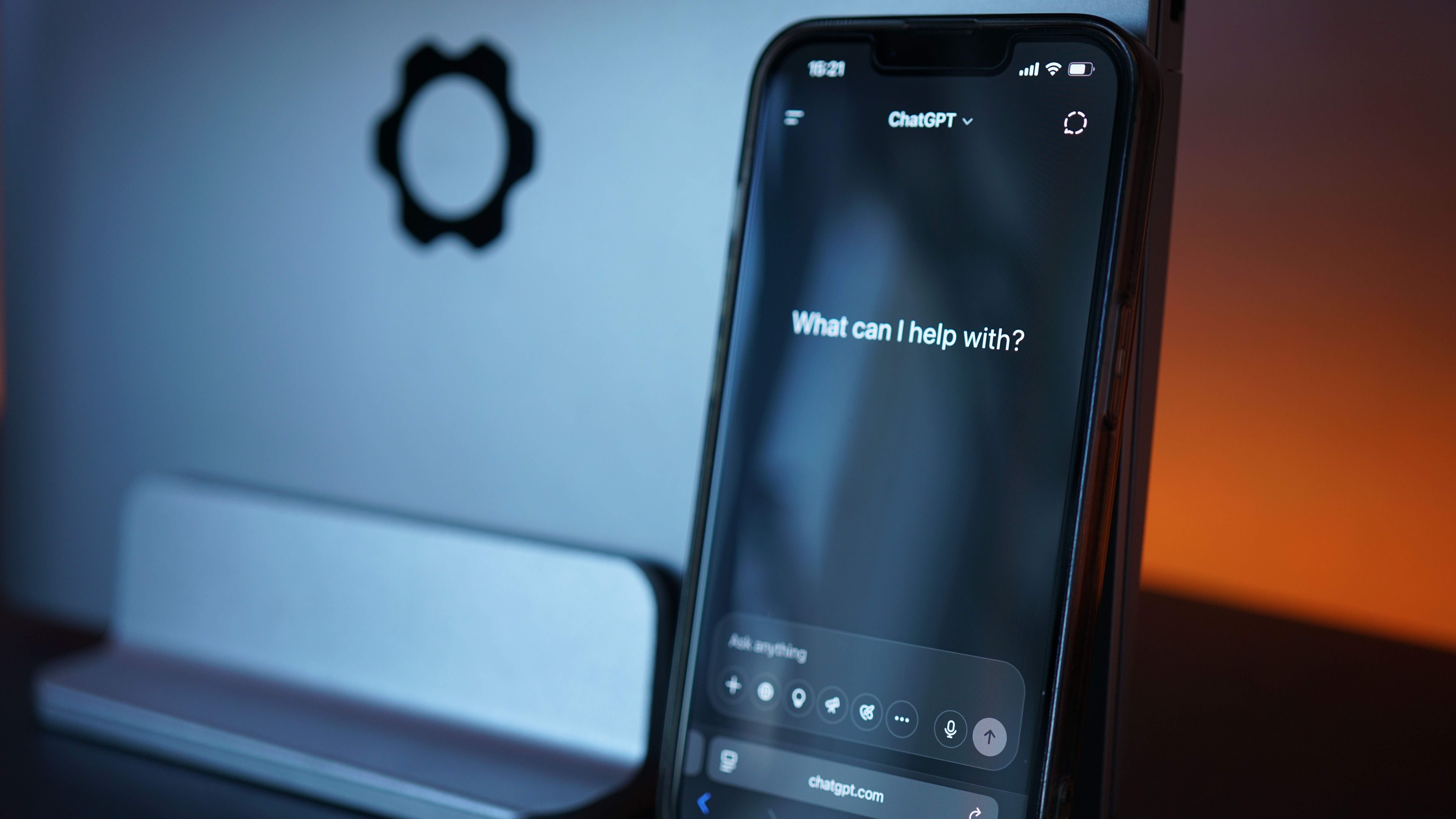
ChatGPT May Soon Let Users Lock Sensitive Chats Behind a PIN or Fingerprint
OpenAI appears to be building a feature that would let ChatGPT users hide individual conversations behind a PIN code or biometric authentication, according to hidden, not-yet-active code discovered inside the latest version of the ChatGPT app for Android. The discovery, first reported by Android Authority after digging through ChatGPT Android build version 1.2026.230, points to references such as "locked chats" and "protect chats" buried in the app's code. One line found in the build describes the intended function of the feature: locking a chat would keep its title and content out of the regular sidebar, chat history, and search results within the app.

WhatsApp Starts Rolling Out Animated Emoji Reactions to Android Beta Testers
WhatsApp has begun rolling out animated emoji reactions to some Android beta testers, according to WABetaInfo, the outlet that tracks WhatsApp's unreleased features. The change was spotted in WhatsApp beta for Android version 2.26.33.4, available through the Google Play Store's beta testing programme, and means that select emoji now play a short animation when used to react to a message, rather than appearing static as they have since reactions launched

Jumia Kenya Posts Record Sh6.4 Billion Quarter as Fashion Sales Offset a Smartphone Slump
Jumia's Kenyan business recorded Sh6.4 billion ($49.7 million) in sales in the three months to June 2026, its highest quarterly figure since the e-commerce company began publishing individual market breakdowns in January 2025. The number represents an 84.1 percent jump from Sh3.5 billion ($27 million) in the same quarter last year, and it came despite a drag from weakening smartphone sales that has rattled online retailers across the region.