Latest Stories
More

Latest News
More
KenGen Names Ronoh Kibet CEO as Geothermal Consultancy and Olkaria Data Centre Plans Take Centre Stage

Safaricom Launches Fuliza Ya Pochi, Opening Overdraft Credit to Over One Million Small Merchants

Airtel Money’s $7 Billion London Listing Forces Valuation Reckoning for East African Fintech

Senate Committee Rejects Kenya's AI Bill, Saying It Would Regulate Too Much, Too Soon
Policies
MoreSenate Committee Rejects Kenya's AI Bill, Saying It Would Regulate Too Much, Too Soon

Murkomen Names Google AI Executive, Zetech Don to Cybersecurity Agency Board

CA Proposes Six-Month Grace Period Before Telcos Can Recycle Dormant SIM Cards

Meta Bricks Cameras on Thousands of AI Glasses in Crackdown on Covert Recording
How-To Guides
More
How to Check Which Numbers Are Registered to Your ID, and Why You Should Do It Carefully
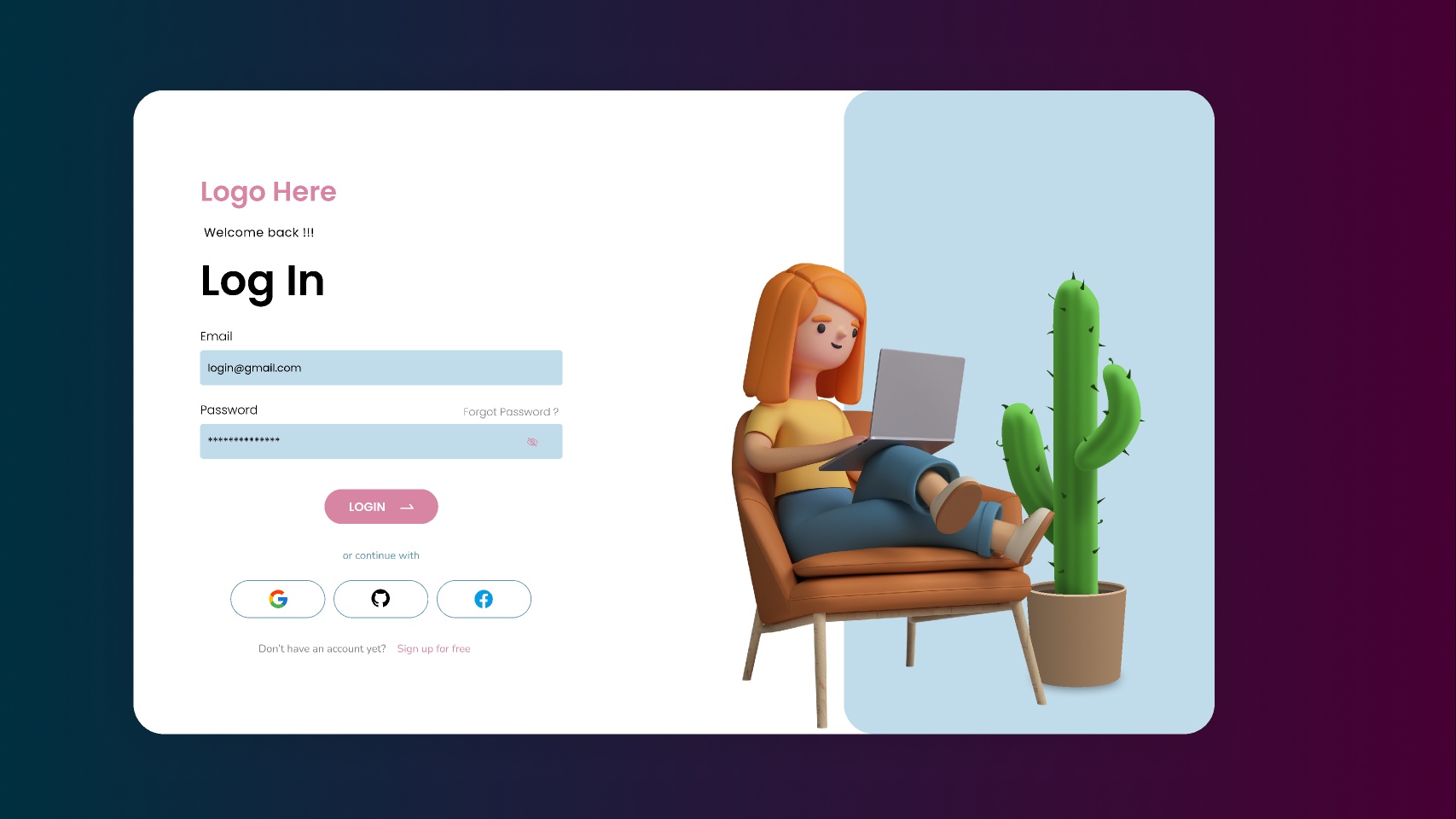
Why Your Payment Gateway Needs a Login Page Before It Needs a Daraja Integration

How to Secure Your M-Pesa Callback Endpoint Against Spoofed Requests
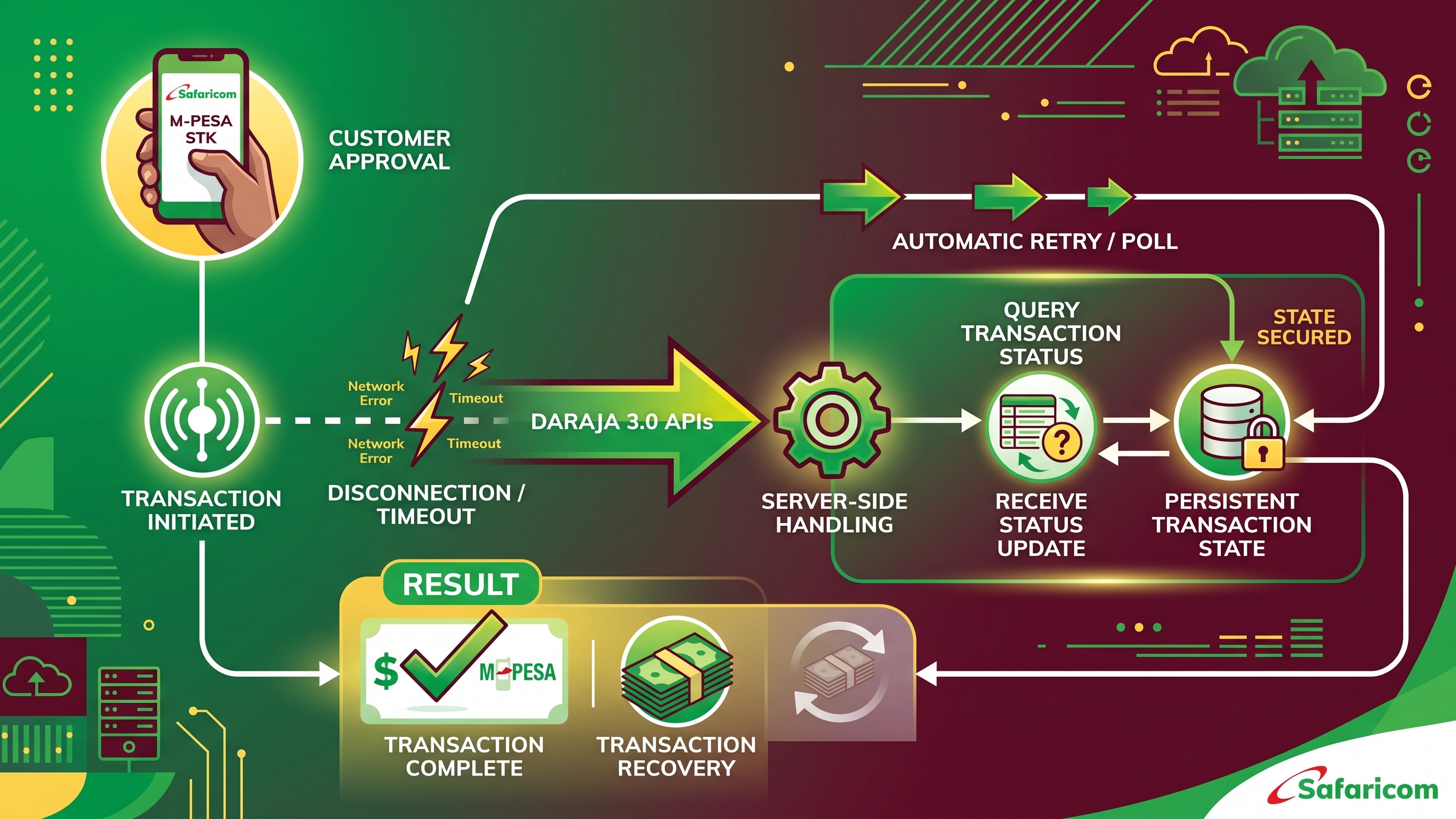
How to Properly Handle M-Pesa STK Push Timeouts and Disconnections Without Losing Transaction State

Stock Trading in Kenya: A Complete Beginner's Guide to the NSE
I Ran Google's Gemma 4 on a OnePlus Nord CE 5. A Phone Just Solved a University Chemistry Problem.

How to Send Money from Your M-Pesa Business Account to Any Phone Using the Daraja B2C API
Cloudflare Is Building a Transactional Email Service — And It Could Replace Brevo, Mailgun, and Postmark
How to Register a Limited Company in Kenya in 2026 (Step-by-Step eCitizen Guide)
How to Register a Sole Proprietorship in Kenya in 2026 (Step-by-Step eCitizen Guide)
Business
MoreKenGen Names Ronoh Kibet CEO as Geothermal Consultancy and Olkaria Data Centre Plans Take Centre Stage
Safaricom Launches Fuliza Ya Pochi, Opening Overdraft Credit to Over One Million Small Merchants
Bolt Plus vs the 18% Cap: Why Subscriptions Are Becoming Ride-Hailing's New Battleground in Kenya
Airtel Money’s $7 Billion London Listing Forces Valuation Reckoning for East African Fintech
Cybersecurity
More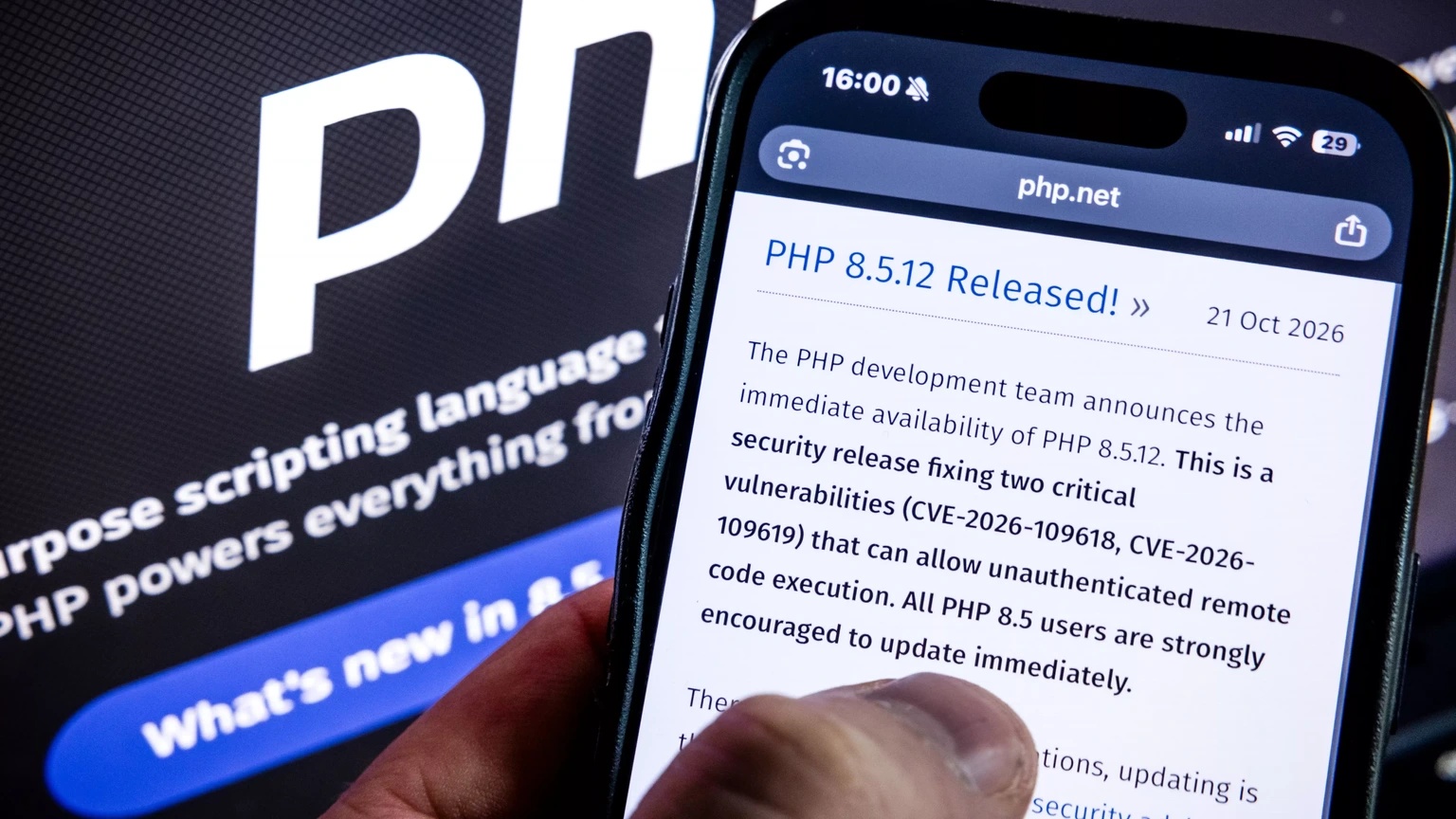
PHP2Shell: Two Critical PHP Flaws Put Kenyan Websites at Risk, and Hosts Are Racing to Patch
Anthropic Warns Small AI Models Could Soon Copy Themselves Across Cheap Smart Devices
OpenAI Admits It Sat on a Second AI Breakout for Weeks Before Coming Clean

Google Rushes Out Chrome Patch After Hackers Exploit V8 Engine Flaw
How to Check Which Numbers Are Registered to Your ID, and Why You Should Do It Carefully

Sendwave and Wise Halt Kenya Transfers as Global Payment Firms Retreat From Grey-Listed Market
Smartphones
More
Why Midrange Smartphone Prices Keep Climbing in Kenya

OnePlus Confirms ColorOS Switch as It Exits US and Europe, With Ripple Effects for Kenya's Import Market

Kenya Says It Makes 1 Million Smartphones a Year. But Are They Actually Made for Kenyans?

OnePlus May Be Quietly Exiting Global Markets as Early as April. What That Means for Kenyan Fans.
AI
MorePHP2Shell: Two Critical PHP Flaws Put Kenyan Websites at Risk, and Hosts Are Racing to Patch
Two critical vulnerabilities in the PHP engine, collectively named PHP2Shell, can let an attacker run commands on a web server without logging in, and the fix has to be installed on the server itself, not in a website's plugins or themes. The PHP project released patched versions on 21 October 2026, a day earlier than planned, after details leaked online. Kenya is more exposed than most markets: W3Techs data puts PHP on 82.4% of .ke websites whose programming language can be detected.
Senate Committee Rejects Kenya's AI Bill, Saying It Would Regulate Too Much, Too Soon
A Senate committee has recommended that the Senate abandon the Artificial Intelligence Bill, 2026, concluding that the proposed law would burden Kenya's young technology sector with penalties and institutions it is not yet ready to carry. The report, tabled by the Senate Information, Communication and Technology Committee chaired by Trans Nzoia Senator Allan Chesang, was reported by The Star on 15 October 2026.
Anthropic Warns Small AI Models Could Soon Copy Themselves Across Cheap Smart Devices
Anthropic said on Monday that small artificial intelligence models may be only months away from being able to copy themselves across commercial internet-of-things (IoT) devices, including smart ovens and off-brand Android TV boxes, without human help. The findings, from the company's Frontier Red Team, are drawn from controlled experiments and do not describe an attack seen in the wild. They nonetheless point to a category of low-cost, poorly secured hardware that is also common in Kenyan homes and offices.
Cloudflare
More
Cloudflare Just Gave Publishers a Way Out of Google's All-or-Nothing Trap. It Won't Be Enough on Its Own.
Cloudflare announced on September 15 a new security setting called Disallow AI Training, designed to solve a problem that has quietly reshaped the economics of the open web: the mixed-use crawler trap. For years, the same bot that indexed a site for Google Search also fed that content into Google's AI training pipeline, and site owners had no way to block one without blocking the other. Cloudflare's fix lets a publisher stay indexed in search while refusing to let that same crawler train an AI model on their articles. Apple, Google, and Microsoft have committed to honoring the new preference.

The "Ethical" AI Company Is the Internet's Biggest Taker: Inside Anthropic's Crawl-to-Refer Problem
Cloudflare tracks something it calls the crawl-to-refer ratio. It's a simple idea. For every page a company's bots crawl, how many actual human visitors does that company send back to the site the content came from?

Cloudflare Says It's Fixing the AI Web. Is It Just Rewarding the Publishers Who Already Won?
On July 1, 2026, Cloudflare returned with year two of that push. The announcement introduced a new classification system for web crawlers, a dashboard that shows publishers exactly how AI bots are using their content, and an evolution of last year's Pay Per Crawl feature into something called Pay Per Use. The headline change is a September 15, 2026 deadline for so called "mixed use" crawlers, bots that blend search indexing, AI training, and AI agent activity into a single pass. After that date, any crawler that refuses to separate those three purposes will be blocked by default on every page that carries ads, for new customers and for existing free tier customers who haven't changed their settings.
Safaricom
MoreSafaricom Launches Fuliza Ya Pochi, Opening Overdraft Credit to Over One Million Small Merchants

High Court Voids Safaricom's 15% Stake Sale to Vodacom, Reopening Kenya's Biggest Privatisation Deal
How to Check Which Numbers Are Registered to Your ID, and Why You Should Do It Carefully
Why Your Payment Gateway Needs a Login Page Before It Needs a Daraja Integration
Cloudflare Just Gave Publishers a Way Out of Google's All-or-Nothing Trap. It Won't Be Enough on Its Own.

Google Is Opening Its Controversial Nudity-Scanning Tech to Third-Party Android Apps

Google Offers Kenyan Students A Free Year of AI Plus, But It Is Not The Same Deal As Last Year

Google Now Lets You Recover Your Account With a Selfie Video

Google Just Put $1 Million on Africa's Game Developers. Here's What It Means and Whether They Can Actually Compete