 By
By 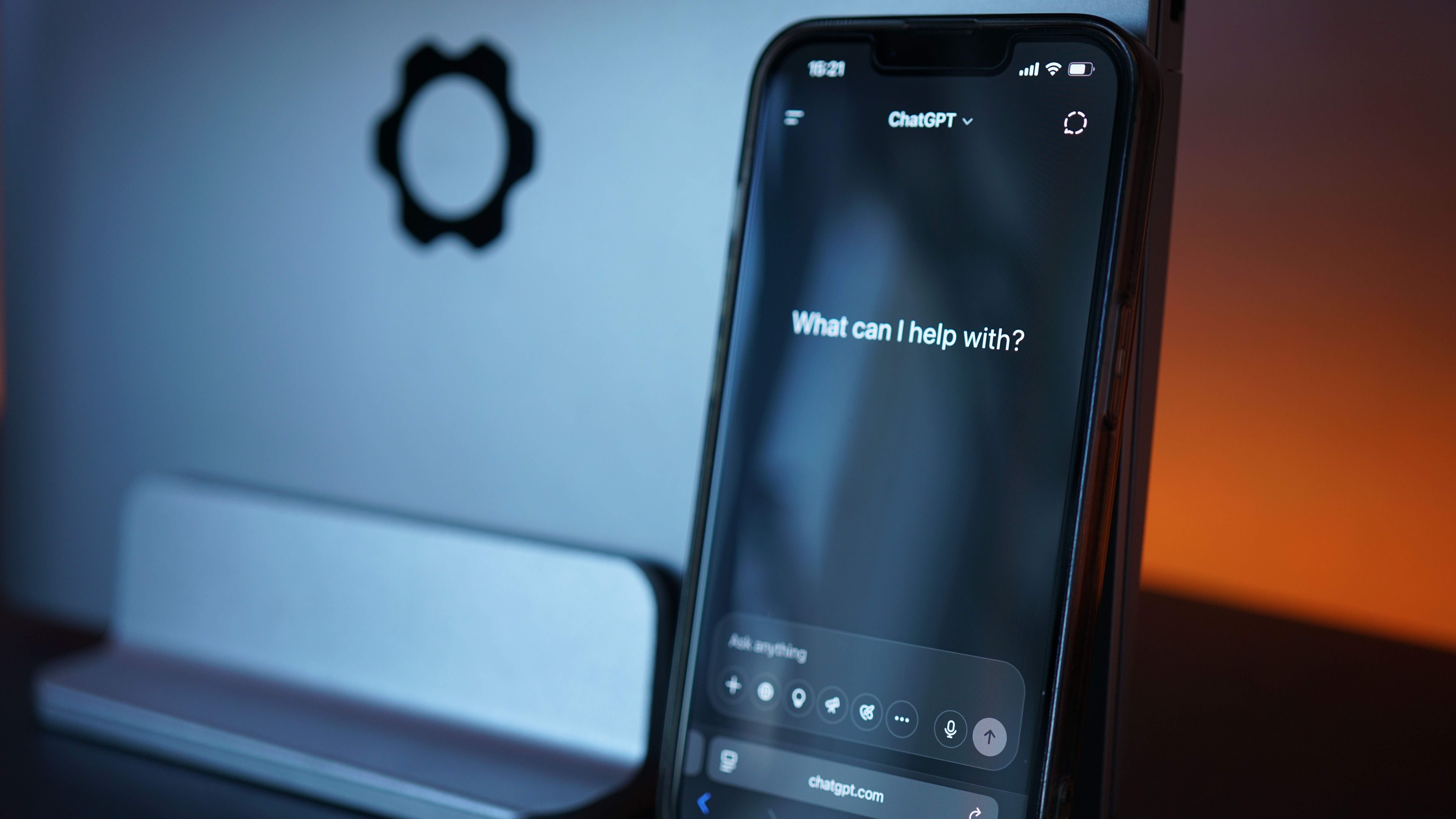
OpenAI appears to be building a feature that would let ChatGPT users hide individual conversations behind a PIN code or biometric authentication, according to hidden, not-yet-active code discovered inside the latest version of the ChatGPT app for Android.
The discovery, first reported by Android Authority after digging through ChatGPT Android build version 1.2026.230, points to references such as "locked chats" and "protect chats" buried in the app's code. One line found in the build describes the intended function of the feature: locking a chat would keep its title and content out of the regular sidebar, chat history, and search results within the app.
The feature has not been officially announced by OpenAI, and there is no confirmed timeline for when, or whether, it will ship. Companies routinely test features in hidden code that never reach a public release, so the discovery should be treated as an early signal of intent rather than a confirmed product roadmap.
How Locked Chats Would Differ From Temporary Chats
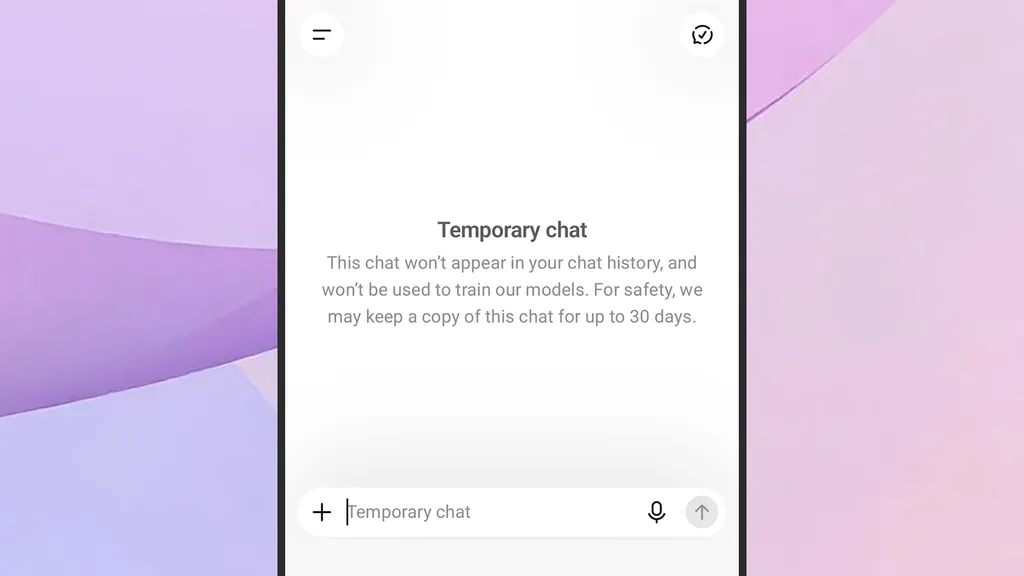
ChatGPT already has a privacy tool called Temporary Chats, which lets users hold conversations that are not saved to their account history. Once a temporary chat is closed, it disappears entirely and cannot be revisited. OpenAI has said temporary chats are not added to the platform's memory feature and are not used to train its models.
Locked chats, as described in the code Android Authority found, would work differently. Rather than discarding a conversation once it ends, the feature would allow a user to keep a chat permanently while shielding it behind an additional authentication layer. In effect, it addresses the biggest limitation of Temporary Chats: the inability to return to a sensitive conversation later. A user could, for example, keep records of a medical consultation, a draft resignation letter, or financial planning notes accessible for future reference without those chats surfacing in the ordinary sidebar or in a search of their chat history.
Open Questions Around Memory Integration
One of the more technical uncertainties concerns how locked chats would interact with ChatGPT's memory system, the feature that lets the assistant recall details from past conversations to personalise future responses. Reporting on the discovered code suggests that information generated inside a locked chat may be walled off from the assistant's general memory, meaning it would only be referenced by other locked chats rather than bleeding into a user's regular conversations. Some accounts of the code indicate locked chats could still draw on information already stored in memory from prior, unlocked conversations, while anything new learned inside a locked chat stays contained within that privacy boundary.
None of this has been confirmed by OpenAI, and the exact mechanics could change substantially before, or if, the feature reaches a public build.
Part of a Wider Industry Pattern
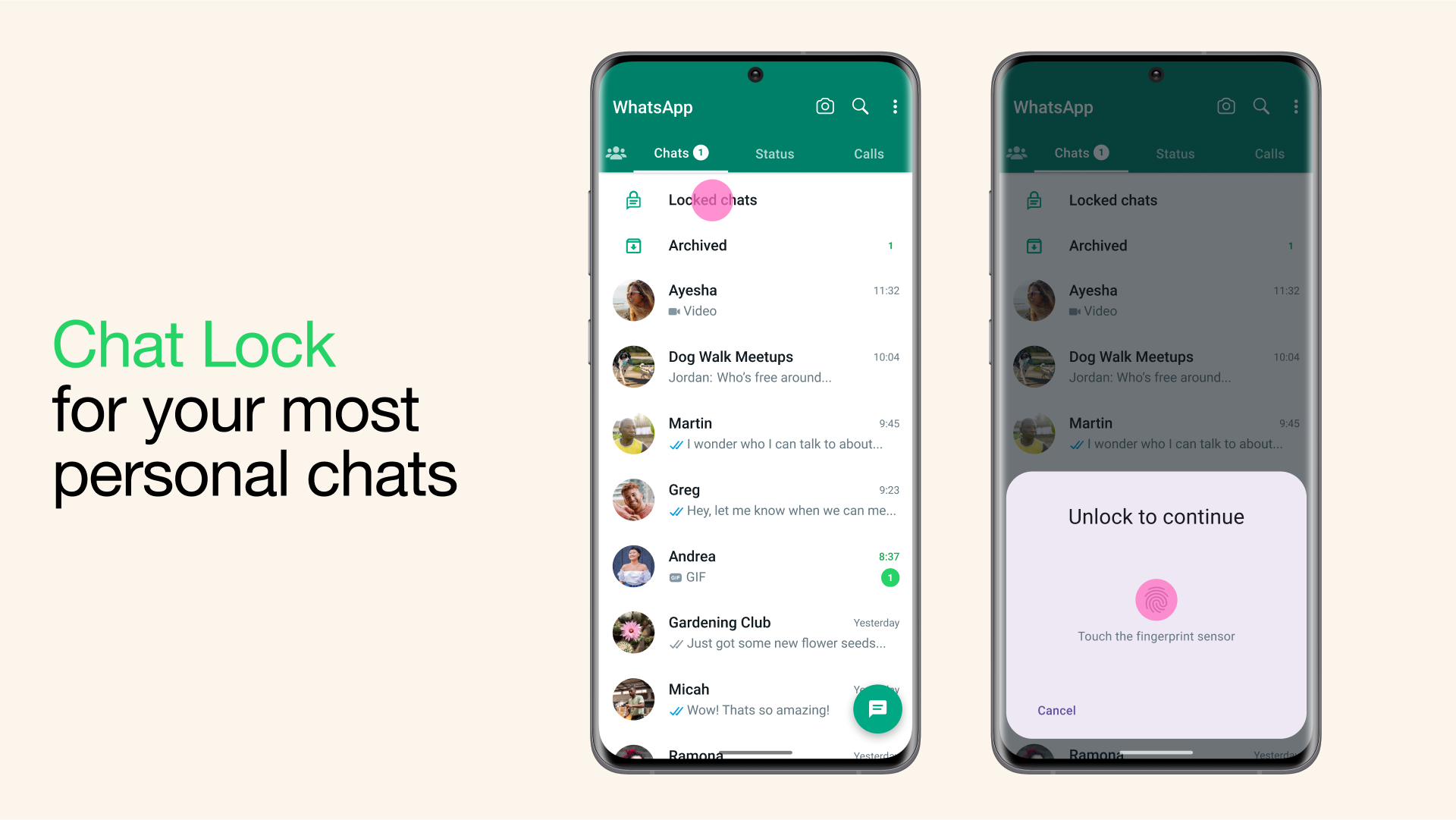
The move, if it materialises, would mirror a feature Meta already rolled out on WhatsApp. WhatsApp introduced Chat Lock, which lets users secure specific conversations behind a passcode, fingerprint, or Face ID, hiding them from the main chat list. Meta has continued to build on that feature, with recent beta versions of WhatsApp for Android testing support for a secret code that lets users search for their locked conversations discreetly, including on linked devices.
The pattern reflects a broader shift among consumer technology platforms toward giving users more granular control over which parts of their digital activity remain visible on a shared or unlocked device. For an AI chat assistant specifically, the stakes are arguably higher than for a messaging app. Conversations with ChatGPT frequently include material users would not want casually visible: health questions, workplace disputes, financial details, or unpolished drafts of personal and professional documents. Unlike a text message thread, an AI chat log can contain an extended, searchable record of a user's private reasoning process, making the case for built-in locking mechanisms more pressing as usage deepens.
Why It Matters for Users in Kenya and East Africa
ChatGPT has seen steady adoption across Kenya's tech, business, and student communities, used for everything from coding assistance and business correspondence to research and personal planning. As with any jurisdiction, data handled through AI assistants in Kenya falls under the protections set out in the Data Protection Act, 2019, which is enforced by the Office of the Data Protection Commissioner (ODPC). The Act requires data controllers and processors to implement appropriate technical and organisational measures to safeguard personal data, a principle that extends to how individuals themselves choose to protect sensitive information stored within third-party applications on shared or work devices.
A native locking mechanism inside ChatGPT would not change OpenAI's obligations as a data controller, nor would it substitute for platform-level safeguards such as encryption in transit and at rest. What it would add is a device-level layer of protection against casual access, relevant in contexts such as shared family phones, workplace laptops, or situations where a device is borrowed or lost. For users who rely on ChatGPT to draft sensitive business communications, review contracts, or work through personal financial decisions, the ability to keep specific threads out of a visible history addresses a gap that currently pushes cautious users toward the more limited Temporary Chats mode or toward avoiding sensitive queries on the platform altogether.
What Happens Next
Android Authority's report is based entirely on inactive code strings rather than a live feature, and OpenAI has offered no public comment or confirmation. Companies frequently build and shelve features that never reach general availability, and the exact form locked chats take, including whether biometric authentication will be supported on both Android and iOS, whether the feature reaches ChatGPT's web client, and how it will handle the memory question, remains unconfirmed. For now, users seeking to keep specific conversations out of their visible ChatGPT history have only the existing Temporary Chats option, which does not allow those conversations to be revisited once closed.
Comments