 By
By 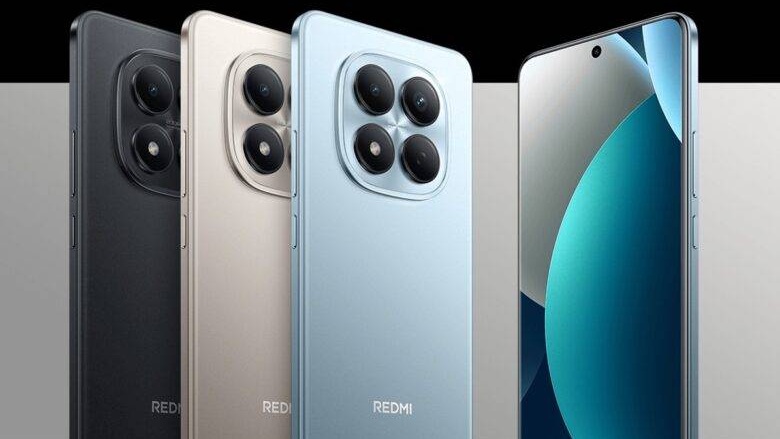
With five phones spanning KES 24,999 to KES 54,999, Xiaomi's Redmi Note 15 series delivers flagship features at mid-range prices—and completely redefines what "value" means in Kenya's smartphone market.
The Redmi Note 15 series has landed in Kenya, and it's brought a pricing strategy that should have every competitor sweating. Xiaomi isn't just competing in the mid-range segment—they're trying to dominate it entirely with five phones that span from budget-friendly to upper mid-range, all offering specifications that punch well above their weight class.
The lineup consists of the Note 15 4G (KES 24,999), Note 15 5G (KES 28,000), Note 15 Pro 4G (KES 32,499), Note 15 Pro 5G (KES 36,999), and Note 15 Pro+ (KES 54,999). And unlike previous Redmi launches where you had to choose between good specs and official support, this time you get both: comprehensive warranty coverage, service centers across Kenya, and update promises that finally match what Samsung and Google have been offering.
But here's what makes this launch particularly devastating for competitors: Just weeks ago, Oppo launched their Reno 15 series at KES 59,999-84,999 with mid-range chipsets. Today, Xiaomi is offering comparable or better specifications at prices that are 30-50% lower, with official support that makes grey-market alternatives like OnePlus look risky.
The question isn't whether these are good phones—it's whether any other mid-range device in Kenya can justify its existence after this launch.
Let's break down what Xiaomi just unleashed on the market.
The Star of the Show: Redmi Note 15 Pro 5G (KES 36,999)
If you read nothing else in this review, read this section. The Redmi Note 15 Pro 5G at KES 36,999 is the best value smartphone launched in Kenya in 2026, and possibly the best value phone you'll find at any price point this year.
Here's what you get for thirty-seven thousand shillings:
Performance: Dimensity 7400-Ultra
MediaTek's Dimensity 7400-Ultra is built on a 4nm process with an octa-core CPU clocked up to 2.6GHz and a Mali-G615 GPU. This is a genuinely capable upper mid-range processor that handles:
Demanding games (PUBG Mobile, COD Mobile, Genshin Impact on high settings)
Heavy multitasking with the 8GB LPDDR4X RAM
4K video recording and editing
All productivity tasks without breaking a sweat
It's not a flagship chip—Snapdragon 8 Gen series and Dimensity 9xxx still beat it in raw power—but for 99% of users, this processor is more than adequate. And crucially, it's significantly more powerful than the Snapdragon 6 Gen 1 found in the KES 59,999 Oppo Reno 15F.
Display: 1.5K Resolution Glory
This is where the Pro 5G pulls ahead of its siblings. While the standard Note 15 models have 1080p displays, the Pro 5G features a 6.83" AMOLED panel with 1.5K resolution (2772 x 1280)—that's 447 PPI, noticeably sharper than standard Full HD.
Other display highlights:
120Hz refresh rate with up to 480Hz touch sampling (2560Hz in Game Turbo mode)
3200 nits peak brightness (1800 nits HBM) - flagship-level outdoor visibility
12-bit color depth with DCI-P3 wide color gamut
3840Hz PWM dimming - reduces eye strain significantly
Corning Gorilla Glass Victus 2 - the same protection found on phones costing 100k+
HDR10+ and Dolby Vision support
For context, the Oppo Reno 15 Pro (KES 84,999) also has 1800 nits peak brightness and Gorilla Glass protection—but it costs 48k more than the Redmi.
Build Quality & Protection: Flagship-Level Durability
Xiaomi went absolutely overboard with durability certifications for the Pro 5G:
IP66, IP68, IP69, IP69K - Yes, they listed four different IP ratings. Here's what they actually mean:
IP68: Submersible in up to 2 meters of freshwater for 30 minutes
IP69: Can withstand high-pressure, high-temperature water jets (80°C at 15L/min)
IP69K: ISO standard version of IP69
In practical terms, this phone can handle:
Accidental drops in water (pools, toilets, rain)
Dusty environments (construction sites, outdoor work)
High-pressure washing (not that you should try this)
For reference, most "flagship" phones top out at IP68. Xiaomi adding IP69 certification is overkill for marketing purposes, but the underlying protection is genuinely comprehensive.
Combine this with Gorilla Glass Victus 2 (which Xiaomi markets as "Titan Durability"), and you have a phone that's built to survive real-world abuse.
Camera: 200MP Main + OIS
The Pro 5G shares its camera system with the more expensive Pro+:
Rear Cameras:
200MP main camera with OIS
1/1.4" sensor size
f/1.7 aperture
16-in-1 pixel binning (2.24μm effective pixel size)
7P lens
8MP ultra-wide camera (f/2.2)
Front Camera:
20MP (1/4" sensor, f/2.2, 4P lens)
Video Recording:
Rear: 4K@30fps, 1080p@30/60fps
Front: 1080p@30/60fps
Is 200MP meaningful? Yes and no:
Yes: The large sensor and pixel binning deliver excellent detail in good lighting, impressive digital zoom, and flexibility for cropping
No: Megapixels aren't everything—Google's Pixel phones prove you can get exceptional photos with "just" 50MP through superior software processing
What matters is that at KES 36,999, you're getting a camera system comparable to phones costing double. It won't beat flagship cameras from Samsung or iPhone in low-light or computational photography, but for daylight shots, social media content, and video recording, it's more than capable.
The inclusion of OIS (Optical Image Stabilization) is particularly noteworthy—many mid-range phones skip this feature to cut costs, but OIS dramatically improves low-light photography and video stability.
Battery: 6580mAh Endurance Champion
The Pro 5G packs the largest battery in the entire lineup at 6580mAh—bigger than even the Pro+ (6500mAh).With the efficient Dimensity 7400-Ultra chipset and Xiaomi's battery optimization in HyperOS 2, expect:
Full day of heavy use (gaming, streaming, social media)
2+ days of moderate use (browsing, messaging, calls)
3-4 days on light use (standby with occasional checking)
Charging: 45W turbo charging with the charger included in the box. While not as fast as the Pro+'s 100W, 45W still gets you:
0-50%: ~20-25 minutes
0-100%: ~50-60 minutes
Software: HyperOS 2 + 4+6 Year Updates
The Pro 5G ships with HyperOS 2 based on Android 15—not HyperOS 3, which is oddly disappointing for a 2026 launch. However, Xiaomi promises:
4 years of major Android updates (through Android 19)
6 years of security patches
This matches Samsung's industry-leading 4+5 year policy and actually exceeds it on security updates. If Xiaomi delivers these updates in a timely manner (historically a weak point), this removes a major objection to buying Redmi over Samsung.
HyperOS 2 features:
AI Writing, AI Speech Recognition, AI Interpreter
AI Search, AI Dynamic Wallpapers, AI Creativity Assistant
Circle to Search with Google (genuinely useful)
Google Gemini integration
Memory extension (uses storage as virtual RAM)
Most of the AI features are marketing fluff that few users will touch, but Circle to Search and the core Android 15 experience are solid.
The Flagship-Killer: Redmi Note 15 Pro+ (KES 54,999)
The Pro+ takes everything great about the Pro 5G and adds two key upgrades: a stronger processor and significantly faster charging.
Performance: Snapdragon 7s Gen 4
The Pro+ uses Qualcomm's Snapdragon 7s Gen 4—built on a 4nm process with an octa-core CPU clocked up to 2.7GHz and an Adreno GPU.
How it compares:
Stronger than: Dimensity 7400-Ultra (Pro 5G), Snapdragon 7 Gen 4 (Oppo Reno 15)
Weaker than: Snapdragon 8s Gen 3 (OnePlus Nord 5), Snapdragon 8 Gen 1/2 (true flagships)
For gaming, productivity, and multitasking, the Snapdragon 7s Gen 4 is excellent. It's not a flagship chip, but it's the best mid-range processor Qualcomm offers, and it handles everything except the most demanding games at max settings.
Charging: 100W HyperCharge
This is the Pro+'s headline feature: 100W fast charging with the charger included in the box.
0-50%: ~15 minutes
0-100%: ~45 minutes
For users who constantly forget to charge overnight or need quick top-ups between meetings, this is genuinely game-changing. The 6500mAh battery drains slowly but charges incredibly fast.
Everything Else: Same as Pro 5G
The Pro+ shares the Pro 5G's:
Same display (1.5K, 1800 nits, Gorilla Victus 2, 120Hz)
Same camera system (200MP OIS + 8MP ultrawide, 32MP selfie)
Same IP68/69 protection
Same connectivity (Wi-Fi 6/6E, Bluetooth 5.4, 5G, eSIM)
Same software (HyperOS 2, 4+6 year updates)
The only differences are the chipset, charging speed, and a slightly smaller battery (6500mAh vs 6580mAh—negligible).
The Budget Champions: Note 15 4G & 5G
Redmi Note 15 4G (KES 24,999)
Who it's for: Budget-conscious buyers in areas without reliable 5G coverage who prioritize battery life.
Key Specs:
Chipset: MediaTek Helio G100-Ultra (6nm, up to 2.2GHz, Mali-G57 MC2)
Display: 6.77" AMOLED, 1080p, 120Hz, 3200 nits peak
Camera: 108MP main + 2MP depth, 20MP selfie
Battery: 6000mAh with 33W charging (no charger included)
Memory: 6GB/8GB RAM, 128GB/256GB/512GB storage, expandable
Protection: IP64 (basic dust/splash resistance)
The Problem:
At KES 24,999, this phone faces stiff competition from:
Infinix Note Edge (28-32k): Dimensity 7100 (much stronger), IP65, similar battery
Redmi Note 15 5G (28k): Only 3k more, gets you 5G + better chipset
Unless you're absolutely limited to 25k or need that specific 6000mAh battery, spending 3k more for the Note 15 5G makes more sense.
Redmi Note 15 5G (KES 28,000)
Who it's for: Budget-conscious buyers who want 5G and don't need flagship performance.
Key Specs:
Chipset: Snapdragon 6 Gen 3 (4nm, up to 2.4GHz, Adreno GPU)
Display: 6.77" AMOLED, 1080p, 120Hz, 3200 nits peak
Camera: 108MP main + 2MP depth, 20MP selfie
Battery: 5520mAh with 45W charging (no charger included)
Memory: 6GB/8GB RAM, 128GB storage, expandable
Protection: IP64
Connectivity: 5G, Wi-Fi 5, Bluetooth 5.1
The Weird One: Redmi Note 15 Pro 4G (KES 32,499)
This is the most confusing phone in the lineup.
Key Specs:
Chipset: MediaTek Helio G200-Ultra (6nm, up to 2.2GHz, Mali-G57 MC2)
Display: 6.77" AMOLED, 1080p, 120Hz, 3200 nits peak
Camera: 200MP OIS main + 8MP ultrawide, 32MP selfie
Battery: 6500mAh with 45W charging (charger included)
Memory: 8GB/12GB RAM, 256GB/512GB storage, expandable
Protection: IP65
The Fundamental Problem:
Who buys a 4G "Pro" phone in 2026?
For just KES 4,500 more, the Note 15 Pro 5G gives you:
5G connectivity
Much stronger Dimensity 7400-Ultra chipset
1.5K display (sharper than 1080p)
Gorilla Glass Victus 2 (vs basic glass)
IP68/69 protection (vs IP65)
Slightly larger battery (6580mAh vs 6500mAh)
The Pro 4G's only advantages are:
Slightly cheaper (4,500 less)
Expandable storage (Pro 5G doesn't have microSD slot)
Unless you're in a remote area with zero 5G coverage and absolutely need expandable storage, there is no reason to buy the Pro 4G instead of Pro 5G.
The Update Promise: 4 Years Android + 6 Years Security
This deserves its own section because it's a MASSIVE deal.
Xiaomi has historically been mediocre-to-poor on software updates. Phones would get 2-3 years of Android updates, delivered slowly, with inconsistent security patches. This was a major reason to choose Samsung or Google over Xiaomi.
That changes now.
The entire Redmi Note 15 series comes with:
4 major Android version updates (Android 15 → 19)
6 years of security patches
This matches:
Samsung's 4 OS + 5 security policy (actually beats it by 1 year on security)
Google's Pixel mid-range policy
Still trails Apple (6-7 years of full OS support)
The catch: Xiaomi PROMISES this. Whether they DELIVER it on time is unproven.
If Xiaomi actually follows through:
This removes the #1 objection to buying Redmi over Samsung
Note 15 Pro 5G becomes viable to use until 2030+
It justifies the purchase for users who keep phones 4-5 years
If Xiaomi fails to deliver:
Updates arrive 6-12 months late
Security patches are inconsistent
Trust erodes and buyers return to Samsung
We won't know which scenario plays out for another 1-2 years. But the PROMISE is there, and it's competitive with the best in the industry.
Memory Extension
This is actually practical: HyperOS 2 can use storage as virtual RAM, effectively giving you more multitasking capability. With 8GB physical RAM + memory extension, you can run more apps simultaneously without them closing in the background.
Effectiveness: Noticeable improvement in keeping apps in memory, but not as good as having actual additional RAM. Still, it's a free performance boost.
Who Should Buy What: The Final Recommendations
After breaking down all five phones, here's who each model is actually for:
Budget Tier (Under 30k):
Best Buy: Redmi Note 15 5G (KES 28,000)
5G connectivity future-proofs the purchase
45W fast charging beats competitors
4+6 year update guarantee
AMOLED 120Hz display at this price is impressive
Snapdragon 6 Gen 3 is entry-level; don't expect gaming performance
Who it's for: Budget-conscious buyers who want official support and 5G
Alternative: Infinix Note Edge (28-32k)
Stronger Dimensity 7100 chipset
Bigger battery
But uncertain update timeline
Who it's for: Buyers prioritizing performance over update guarantees
Skip: Redmi Note 15 4G (24,999)
Only 3k cheaper than 5G model
Weaker chipset, slower charging, no 5G
Only buy if absolutely limited to 25k budget
Best Value Sweet Spot (30-40k):
Redmi Note 15 Pro 5G (KES 36,999)
Dimensity 7400-Ultra handles everything
1.5K display sharper than competitors
1800 nits peak brightness (flagship-level)
Gorilla Glass Victus 2 protection
IP68/IP69 water/dust resistance
200MP camera with OIS
6580mAh battery (largest in lineup)
4+6 year update guarantee
Who it's for:
Anyone who wants maximum value
Users upgrading from older mid-range phones
People who need durability (IP68/69)
Content creators on a budget (200MP camera)
Basically everyone who doesn't need absolute flagship performance
SKIP: Redmi Note 15 Pro 4G (32,499)
4G in 2026 is terrible future-proofing
Only 4,500 less than Pro 5G
No valid reason to choose this over Pro 5G unless you're in a zero-5G coverage area
Upper Mid-Range (50-60k):
Recommended: Redmi Note 15 Pro+ (KES 54,999)
The Pro+ makes sense if you specifically need:
Stronger Snapdragon 7s Gen 4 performance
100W ultra-fast charging (0-100% in ~30 mins)
Everything else the Pro 5G offers
Who it's for:
Power users who need every bit of performance
People who constantly need quick charging
Buyers who want the best Redmi but with official support
Alternative: OnePlus Nord 5 (47k)
Stronger Snapdragon 8s Gen 3 chipset
8k cheaper
But: No official support, no warranty, risky
Who it's for: Tech enthusiasts comfortable with grey import risks who prioritize performance
SKIP: Oppo Reno 15 series (60-85k)
Overpriced by 20-30k for the specs offered
Redmi delivers better value across the board
Only consider Oppo if you specifically need their unique 50MP ultrawide selfie camera
Full Specifications Comparison Table
Specifications | Note 15 4G | Note 15 5G | Note 15 Pro 4G | Note 15 Pro 5G | Note 15 Pro+ 5G |
|---|---|---|---|---|---|
Price (Base) | 24,999 | 28,000 | 32,499 | 36,999 | 54,999 |
Chipset | Helio G-100 Ultra | SD 6 Gen 3 | Helio G-200 Ultra | Dimensity 7400 Ultra | SD 7s Gen 4 |
Process | 6nm | 4nm | 6nm | 4nm | 4nm |
Ram | 6/8GB LPDDR4X | 6/8GB LPDDR4X | 8/12 GB LPDDR4X | 8 GB LPDDR4X | 8/12GB LPDDR4X |
Storage | 128/256/512 GB | 128/256/512 GB | 256/512 GB | 256/512 GB | 256/512 GB |
Expandable | 2TB | 1TB | 2TB | - | - |
Display size | 6.77" | 6.77" | 6.77" | 6.83" | 6.83" |
Resolution | 1080p(2392x1080) | 1080p(2392x1080) | 1080p(2392x1080) | 1.5K (2772x1280) | 1.5K (2772x1280) |
PPI | 460 | 460 | 460 | 447 | 447 |
Refresh Rate | 120Hz | 120Hz | 120Hz | 120Hz | 120Hz |
PeakBrightness | 3200 nits | 3200 nits | 3200 nits | 3200 nits | 3200 nits |
Glass Protection | Basic | Basic | Basic | Gorilla Victus 2 | Gorilla Victus 2 |
Main Camera | 108 MP | 108Mp | 200MP OIS | 200MP OIS | 200MP OIS |
Ultrawide | - | - | 8MP | 8MP | 8MP |
Other Rear | 2MP depth | 2MP depth | - | - | - |
Selfie | 20MP | 20MP | 32MP | 32MP | 32MP |
Rear Video | 1080p@60fps | 1080p@60fps | 1080p@60fps | 4K@30fps | 4K@30fps |
Battery | 6000mAh | 5520mAh | 6500mAh | 6580mAh | 6500mAh |
Charging | 33W | 45W | 45W | 45W | 100W |
esim | _ | _ | _ | yes | yes |
weight | 183.7g | 178g | 195g | 210g | 207.1g |
Thickness | 7.94mm | 7.35mm | 7.96mm | 7.96mm | 8.19mm |
OS | HyperOS 2 | HyperOS 2 | HyperOS 2 | HyperOS 2 | HyperOS 2 |
Android version | 15 | 15 | 15 | 15 | 15 |
OS updates | 4 years | 4 years | 4 years | 4 years | 4 years |
Security updates | 6 years | 6 years | 6 years | 6 years | 6 years |
Wi-fi | Wi-fi 5 | wi-fi 5 | wi-fi 5 | wi-fi 6 | wi-fi 6/6E |
IP rating | IP64 | IP64 | IP65 | IP68/69/69K | IP68/69/69K |
IR blaster | yes | yes | yes | yes | yes |
NFC | yes | yes | yes | yes | yes |
The Verdict: Xiaomi Redefines Mid-Range Value
The Redmi Note 15 series isn't perfect. HyperOS 2 instead of HyperOS 3 is disappointing. The existence of a 4G Pro model is baffling. Xiaomi's update track record raises questions about whether they'll deliver on their 4+6 year promise.
But none of that changes the fundamental truth: These are exceptional phones at incredible prices.
The Note 15 Pro 5G at KES 36,999 delivers specifications and features that were flagship-exclusive just 2-3 years ago:
Premium display (1.5K, 1800 nits, Gorilla Victus 2)
Flagship protection (IP68/69)
Excellent camera (200MP with OIS)
Massive battery (6580mAh)
Long-term support (4+6 years)
All for thirty-seven thousand shillings.
The Note 15 Pro+ at KES 54,999 offers even stronger performance with 100W charging, making it a safer alternative to grey-market OnePlus devices while undercutting Oppo's overpriced Reno 15 series by 20-30k.
Even the budget options—Note 15 5G at 28k—deliver AMOLED displays, 5G connectivity, and update guarantees that make them compelling alternatives to brands like Infinix and Tecno.
Comments