 By
By 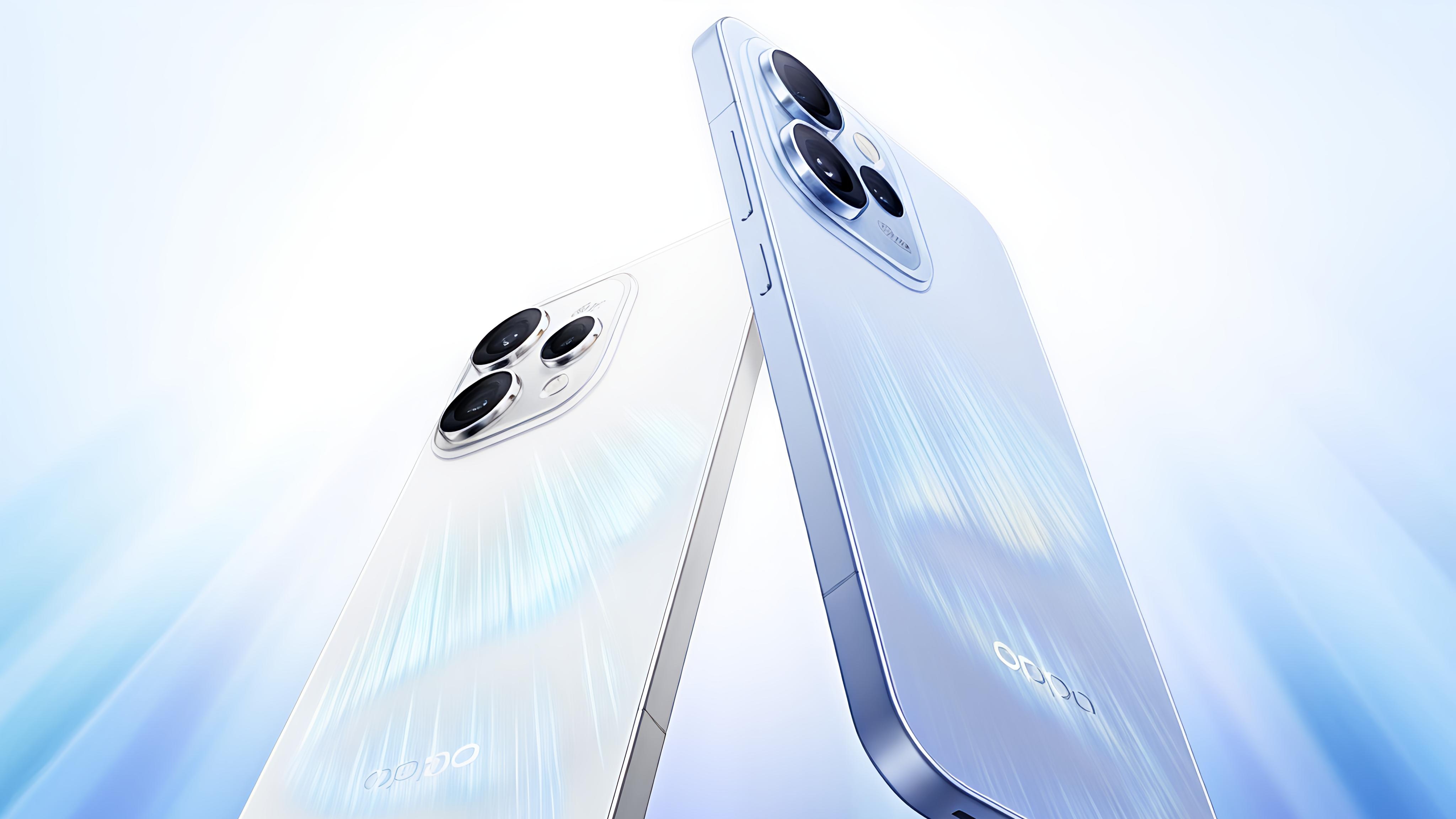
Oppo has launched three phones with impressive features and flagship aesthetics. But with prices ranging from KES 59,999 to KES 84,999, are these mid-range devices worth premium money?
Oppo's Reno 15 series has arrived in Kenya with a bold statement: premium design, advanced features, and prices that place them squarely in flagship territory. The lineup consists of three models—the Reno 15F, Reno 15, and Reno 15 Pro—each targeting different segments of the mid-to-premium market.
On paper, these phones look impressive. IP69 water and dust resistance, 80W fast charging, a unique 50MP ultrawide selfie camera across all models, and up to 200MP main camera on the Pro. But there's a catch: the pricing.
At KES 59,999 for the base Reno 15F and climbing to KES 84,999 for the Pro, Oppo is asking buyers to pay flagship prices for phones powered by mid-range chipsets. In a market where the Infinix Note Edge costs 28-32k with a Dimensity 7100 and OnePlus Nord 5 offers a Snapdragon 8s Gen 3 for 47k, the question isn't whether these are good phones—it's whether they're worth the premium.
Let's break down what you're actually getting for your money.
What's Shared Across All Three: The Foundation
Before we dive into differences, it's worth understanding what all three Reno 15 models have in common—because this shared foundation is genuinely impressive.
Display Excellence
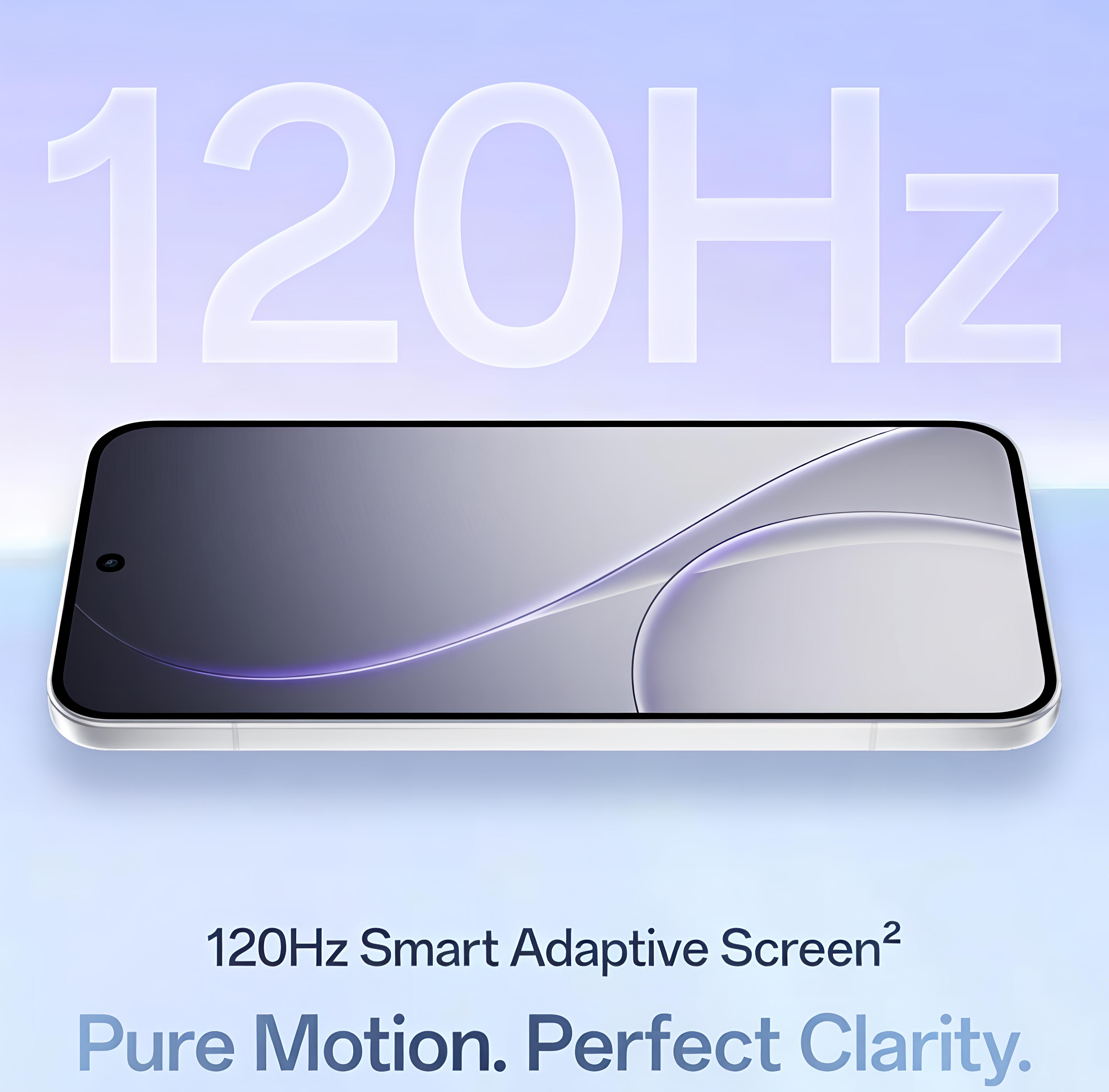
All three phones feature AMOLED displays with:
120Hz maximum refresh rate for smooth scrolling
240Hz touch sampling rate (120Hz default) for responsive gaming
100% DCI-P3 color gamut with 1.07 billion colors (10-bit depth)
600 nits typical brightness (peak brightness varies by model)
These are high-quality panels that compete with phones twice their price in terms of color accuracy and smoothness.
The Standout Selfie Camera
This is where Oppo differentiates itself from the competition. Every Reno 15 model features a 50MP front camera with:
f/2.0 aperture
100° field of view (ultrawide selfies and group shots)
5P lens with autofocus
Support for 4K video recording (specs vary by model)
For content creators, vloggers, or anyone who takes selfies seriously, this is a genuinely unique offering. Most phones in this price range—and even higher—settle for basic 13-16MP selfie cameras. The 100° FOV means you can fit more people in frame without a selfie stick, and the autofocus ensures sharp results.
Premium Build & Protection
All three phones come with:
IP69 water and dust resistance—the highest rating available, protecting against high-pressure water jets and complete dust ingress. This is better than IP68 found on most flagships.
In-display optical fingerprint sensor
NFC support for contactless payments
Dual SIM (Nano-SIM) support
80W SUPERVOOC fast charging—among the fastest charging speeds available
Storage & Memory Configuration
For pre-orders, Oppo is offering only the 12GB RAM / 512GB storage variant across all three models. However, other configurations exist globally:
Reno 15 & 15F: 256GB 8GB RAM, 256GB 12GB RAM, 512GB 8GB RAM, 512GB 12GB RAM
Reno 15 Pro: 256GB 12GB RAM, 512GB 12GB RAM
All storage uses UFS 3.1, which is faster than the UFS 2.2 found in budget competitors like the Infinix Note Edge.
ColorOS 16 Software
All three phones run ColorOS 16 based on Android 16—the latest version of both. If you've used OxygenOS (OnePlus's interface), ColorOS will feel familiar—they're essentially clones of each other since both brands are under the same BBK Electronics umbrella.
What's new in ColorOS 16:
AI Mind Space: AI-powered memory and organization system
AI Translate: Real-time translation across apps
AI Transcription: Convert voice to text with context awareness
OnePlus Connect: Share files seamlessly with iPhones (cross-platform file transfer)
Various incremental AI improvements to camera, battery management, and performance
Software Update Commitment: Oppo hasn't explicitly stated the update policy for the Reno 15 series in Kenya. Based on past behavior, expect 2-3 major Android updates and 3-4 years of security patches—decent, but not Samsung's 4+5 years or Google's 7 years.
Design Element: The Stellar Ring
Oppo heavily markets the "Dynamic Stellar Ring"—a polished metal ring around the camera module that catches light and adds a premium aesthetic. It's purely cosmetic, but it does give the phones a distinctive look.
What's In The Box
All three models include:
80W SUPERVOOC charger
USB Type-C cable
Type-C earphones (digital audio)
SIM ejector tool
Protective case
Documentation
Unlike many brands that have stripped accessories from packaging, Oppo still provides a complete setup experience.
Where Your Money Goes: The Key Differences
Now let's get to what actually separates these phones—and more importantly, whether those differences justify the price gaps.
Performance: The Chipset Hierarchy
This is where things get complicated. None of these phones use flagship processors, yet they're priced like they do.
Model | Chipset | Process Node | GPU | RAM Type |
|---|---|---|---|---|
Reno 15F | Snapdragon 6 Gen 1 | 4nm | Adreno 710 @676MHz | LPDDR4X |
Reno 15 | Snapdragon 7 Gen 4 | 4nm | Adreno 722 @1150MHz | LPDDR5X |
Reno 15 Pro | Dimensity 8450 | 4nm | Mali-G720 MC7 @1300MHz | LPDDR5X |
Understanding the hierarchy:
Snapdragon 6 Gen 1 (Reno 15F): This is an entry-level 5G chipset. It's fine for basic tasks—social media, web browsing, light gaming—but struggles with intensive applications. At KES 59,999, this is the weakest processor you'll find at this price point.
Snapdragon 7 Gen 4 (Reno 15): A solid mid-range processor released in 2024. It handles everyday tasks smoothly and can manage moderate gaming (PUBG Mobile, COD Mobile on high settings). However, it's NOT a flagship chip—Qualcomm's 8 Gen series holds that title.
Dimensity 8450 (Reno 15 Pro): MediaTek's upper mid-range offering. Stronger than the Snapdragon 7 Gen 4 in multi-core performance and the Mali-G720 GPU is capable. But again, this isn't competing with Snapdragon 8 Gen flagships.
For context: The OnePlus Nord 5 (8GB/256GB at ~KES 47k) uses a Snapdragon 8s Gen 3—an actual flagship-class processor that demolishes all three Reno 15 chipsets in benchmarks and real-world performance. That's the value problem we're dealing with.
Display: Brightness Wars
While all three phones share the same AMOLED tech, brightness differs significantly:
Model | Screen Size | Resolution | Peak Brightness | Glass Protection |
|---|---|---|---|---|
Reno 15F | 6.57" | 2372×1080 (397 PPI) | 1400 nits HBM | AGC DT-STAR D+ |
Reno 15 | 6.59" | 2760×1256 (460 PPI) | 1200 nits HBM | Gorilla Glass 7i |
Reno 15 Pro | 6.32" | 2640×1216 (460 PPI) | 1800 nits HBM | Gorilla Glass 7i |
Reno 15 Pro wins decisively with 1800 nits peak brightness—genuinely flagship-tier and perfect for Kenya's intense sunlight. The Pro is also the most compact at 6.32", making it ideal for one-handed use.
Reno 15F has the lowest resolution (397 PPI vs 460 PPI) and uses AGC glass instead of Gorilla Glass 7i, suggesting slightly lower scratch resistance.
Battery: The 7000mAh Champion
Model | Battery Capacity | Weight | Thickness |
|---|---|---|---|
Reno 15F | 7000 mAh | 195-202g | 8.14-8.27mm |
Reno 15 | 6500 mAh | 197g | 7.77-7.89mm |
Reno 15 Pro | 6200 mAh | 187-188g | 7.99-8.13mm |
Reno 15F packs a massive 7000mAh battery—among the largest in any mainstream smartphone. For users who prioritize all-day (or multi-day) battery life above all else, this is compelling. However, it comes at the cost of slightly more weight and thickness.
Reno 15 Pro is the lightest and most compact, sacrificing 800mAh compared to the 15F but gaining portability.
All three support 80W SUPERVOOC charging, meaning even the 7000mAh battery on the 15F charges in roughly 45-50 minutes.
Camera Systems: Where the Pro Shines
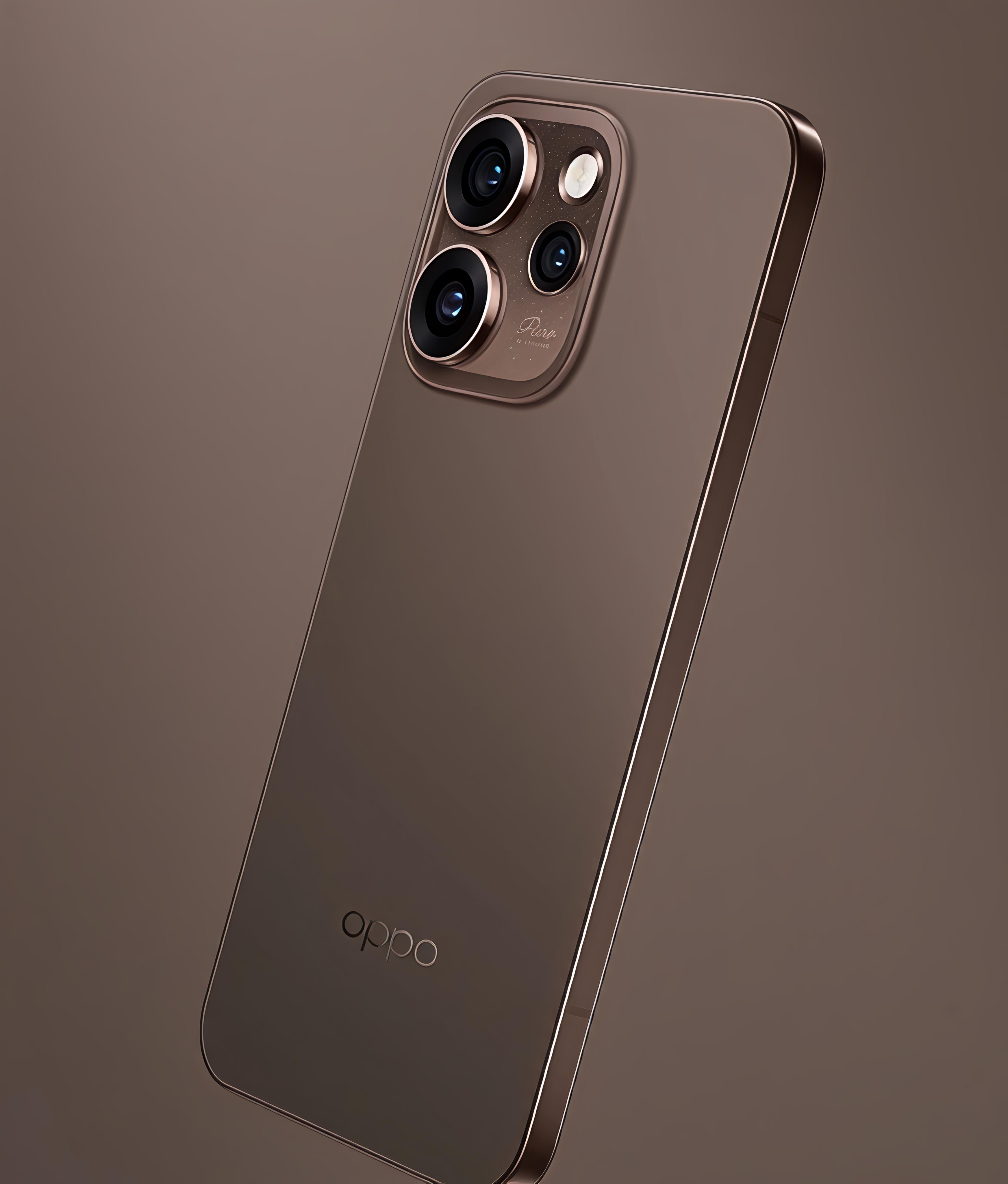
This is the most significant differentiator and potentially the main justification for the price gaps.
Reno 15F:
50MP main camera (wide, OIS)
8MP ultrawide (f/2.2)
2MP macro camera
Maximum video: 4K@30fps, 240fps slow-motion
Reno 15:
50MP main camera (wide, OIS)
50MP telephoto camera
8MP ultrawide (f/2.2)
4K@60, 30fps
Reno 15 Pro (The Camera Beast):
200MP main camera (wide, OIS)
50MP telephoto camera
50MP ultrawide (f/2.0, 6P lens)
4K@60fps front AND rear video
960fps slow-motion (vs 240fps on 15F)
Cinematic mode, advanced HDR, color temperature sensor
The Reno 15 Pro's 200MP sensor is the headline feature. While megapixels aren't everything, a 200MP sensor allows for:
Exceptional detail in daylight
Impressive digital zoom capabilities (pixel binning)
Flexibility in post-processing and cropping
Combined with the 50MP ultrawide selfie camera, the Pro is positioned as a content creator's tool. If photography and videography are priorities, the Pro's camera system is genuinely impressive—though whether it's worth an extra 25k over the standard Reno 15 is debatable.
The Reno 15F loses the telephoto lens entirely and is limited to 4K@30fps video, making it the weakest for photography enthusiasts.
Connectivity: The Details Matter
Feature | Reno 15F | Reno 15 | Reno 15 Pro |
|---|---|---|---|
Wifi | Wi-Fi 5 | Wi-Fi 6 (160MHz) | Wi-Fi 6 (160MHz) |
Bluetooth | 5.1 | 5.4 | 5.4 (BLE Audio) |
eSIM | Yes | Yes | No |
Infrared | Yes | Yes | Yes |
Reno 15F is stuck on Wi-Fi 5—outdated for a 60k phone in 2026. Wi-Fi 6 offers significantly better performance, especially in crowded network environments.
Reno 15 and Pro support eSIM, which is useful for travelers or dual-line users, while the 15F does not.
Build & Size: Compact vs Battery King
Reno 15 Pro is the most pocketable—lighter and smaller than competitors. If you prefer compact flagships (increasingly rare), this is appealing.
Reno 15 is the thinnest, despite packing a 6500mAh battery.
Individual Phone Breakdown: Who Are These For?
Reno 15F (KES 59,999): The "Budget" Option That Isn't
Colors: Twilight Blue, Aurora Blue
Pre-order gifts: Power bank + KES 1,000 airtime
Delivery: February 2, 2026
The Problem:
At KES 59,999, the Reno 15F is positioned as the "affordable" option in the series. But here's the reality: for a phone with a Snapdragon 6 Gen 1 processor and Wi-Fi 5, 60k is absurdly expensive.
For context:
Infinix Note Edge (Dimensity 7100, a stronger chipset): KES 28-32k
Xiaomi Redmi Note 13 Pro (Snapdragon 7s Gen 2): ~KES 30-35k
You're paying double for what amounts to a battery upgrade and IP69 rating. Unless you absolutely NEED that 7000mAh battery for off-grid use or multi-day trips without charging, there are far better values elsewhere.
Who It's For:
Professionals who travel frequently and can't always charge
Users in areas with unreliable electricity
Battery life obsessives who prioritize endurance over everything else
Rating: 4/10 – Good phone, terrible value.
Reno 15 (KES 74,999): The Balanced Middle Child
Colors: Aurora White, Twilight Blue
Pre-order gifts: Power bank + KES 1,000 airtime
Delivery: February 2, 2026
The Problem:
The Reno 15 is objectively a good phone. The Snapdragon 7 Gen 4 is capable, the build quality is premium, and the feature set is comprehensive. But at KES 74,999, you're in direct competition with phones that offer significantly better value or flagship performance:
Phone | Price | Chipset | Value |
|---|---|---|---|
Oppo Reno 15 | 75k | Snapdragon 7 Gen 4 (mid-range) | 6/10 |
OnePlus Nord 5 | 47k (8/256GB) | Snapdragon 8s Gen 3 (flagship-class) | 9/10 |
Samsung Galaxy S23 FE | ~60k | Snapdragon 8 Gen 1 (flagship) | 8/10 |
OnePlus 15R | ~70k | Snapdragon 8 Gen 5 (flagship) | 9/10 |
The OnePlus Nord 5 is particularly damning—it costs 28k less and offers a significantly more powerful processor. Yes, OnePlus lacks official support in Kenya (no warranty, hard to find accessories, no help if you get the infamous OnePlus green line issue), but for savvy buyers willing to accept that risk, the value gap is enormous.
Who It's For:
Users who prefer Qualcomm over MediaTek (brand loyalty/compatibility)
People who want balanced specs without Pro pricing
Buyers who value Oppo's official support and warranty over raw performance
Rating: 6/10 – Decent phone, but overpriced by 15-20k.
Reno 15 Pro (KES 84,999): The Flagship Pretender
Colors: Dusk Brown, Aurora Blue
Pre-order gifts: Power bank + KES 1,000 airtime
Delivery: February 2, 2026
The Problem:
The Reno 15 Pro is the best phone in the series—no question. The 200MP camera is impressive, the 1800 nits display is genuinely flagship-tier, and the compact size is rare in today's market of ever-larger phones.
But KES 84,999 is serious money. At this price point, you're competing with:
Samsung Galaxy S23 FE (~60k): Actual Snapdragon 8 Gen 1 flagship processor, better software support (4 OS upgrades + 5 years security)
OnePlus 15R (~65k): Snapdragon 8 Gen 5, faster charging (100W), better gaming performance
The camera system is the Pro's main selling point. If you're a content creator who needs that 200MP sensor, 50MP ultrawide selfie, and 4K@60fps video recording, the Pro delivers capabilities few phones match at any price. The compact size is also a differentiator—6.32" flagships are increasingly rare.
But for most users, the Dimensity 8450 feels underwhelming at 85k. It's a very good mid-range processor, but it's not competing with Snapdragon 8 Gen chips in gaming, sustained performance, or flagship app optimization.
Who It's For:
Content creators who prioritize camera versatility and video quality
Compact phone enthusiasts who hate the trend toward 6.7"+ displays
Users who need the brightest display possible for outdoor work
People who value Oppo's official support and don't want to risk grey-market OnePlus devices
Rating: 7/10 – Best of the three, genuinely impressive features, but still 15-20k overpriced for the chipset.
The Value Problem: Let's Talk Numbers
Here's the uncomfortable truth: Oppo is charging flagship prices for mid-range hardware.
Direct Comparisons
Phone | Price | Chipset | Camera | Battery | Value Score |
|---|---|---|---|---|---|
OnePlus Nord 5 | 47k (8/256GB) | Flagship-class (SD 8s Gen 3) | Triple | 5500mAh | 9/10 |
Oppo Reno 15F | 60k | Entry-level (SD 6 Gen 1) | Dual + Macro | 7000mAh | 5/10 |
OnePlus 15R | 70k | Flagship (SD 8 Gen 5) | Triple | 7400mAh | 9/10 |
Samsung S23 FE | 60k | Flagship (SD 8 Gen 1) | Triple | 4500mAh | 8/10 |
Oppo Reno 15 | 75k | Mid-range (SD 7 Gen 4) | Triple | 6500mAh | 6/10 |
Oppo Reno 15 Pro | 85k | Upper Mid (D8450) | Triple (200MP) | 6200mAh | 7/10 |
What you DO get for the premium:
IP69 rating (better than IP68 on most competitors)
80W charging (faster than most, though OnePlus 12R has 100W)
50MP ultrawide selfie (unique feature, legitimately useful for content creators)
Premium build quality (Gorilla Glass 7i, stellar ring design)
Official Oppo support in Kenya (warranty, service centers, accessories)
What you DON'T get:
Flagship performance to match flagship pricing
Best camera systems (Samsung, iPhone still lead in versatility and consistency)
Best software support (Samsung offers 4+5 years vs Oppo's unspecified commitment)
Accessory ecosystem (Apple, Samsung dominate this)
The Brand Premium Question
Part of Oppo's pricing reflects brand positioning. In Kenya's market, Oppo sits above Infinix/Tecno but below Samsung/Apple in perceived prestige. The company is betting that buyers value:
Official support networks
Premium retail experience
Social perception (carrying an Oppo vs Infinix signals different things)
Whether that's worth 30-40k extra is a personal decision.
Pre-Order Details: Should You Bite?
Pre-Order Period: Now until late January 2026
Delivery Date: February 2, 2026
Available Configuration: 12GB/512GB only
Pre-Order Incentives (All Models):
Free power bank
KES 1,000 airtime credit
Pricing:
Reno 15F: KES 59,999
Reno 15: KES 74,999
Reno 15 Pro: KES 84,999
Should You Pre-Order?
Hard No. Here's why:
Redmi Note 15 series launches January 30 – Wait to see Xiaomi's offering and pricing
Prices may drop post-launch – Early adopters often pay a premium; waiting 2-4 weeks could save 5-10k
No hands-on reviews yet – We're working with specs, but real-world performance, camera quality, and software experience need testing
Limited configuration – Only 12GB/512GB available for pre-order; other variants (8GB/256GB) may be more affordable post-launch
Infinix Note Edge at 28-32k exists – For most users, this offers 80% of the experience at 40-50% of the cost
If you're seriously considering a Reno 15:
Wait for the Redmi Note 15 launch and comparison reviews
Wait 2-3 weeks post-launch for potential price adjustments
Visit Oppo stores to handle the phones physically (build quality matters at this price)
Check if the camera improvements justify the cost for YOUR use case
Who Should (and Shouldn't) Buy These Phones
Consider Reno 15 Pro (84,999) if you:
Are a content creator who needs the 200MP camera and advanced video features
Prioritize compact phones (6.32" is rare in 2026)
Need the brightest display for outdoor work (1800 nits)
Value official Oppo support and warranty over grey-market savings
Can afford the premium and specifically want Oppo's feature set
Consider Reno 15 (74,999) if you:
Prefer Qualcomm processors over MediaTek (personal preference/compatibility)
Want balanced specs without Pro pricing
Need infrared remote for home automation
Value eSIM support for dual-line usage
Reno 15F (59,999) is hard to recommend unless:
You NEED 7000mAh battery for extended off-grid use
Expandable storage is critical (it's the only model that supports it)
Battery life is your #1 priority above all else (performance, camera, etc.)
Skip if you:
Want best performance per shilling (get OnePlus 12R, Nord 5, or Infinix Note Edge)
Prioritize gaming (get a Snapdragon 8 Gen device)
Need flagship performance to match flagship pricing
Want best software support (Samsung's 4+5 years beats Oppo)
Are on a budget (Infinix Note Edge, Xiaomi options deliver 80% of experience for 40% of cost)
The Verdict: Great Phones, Wrong Prices
Oppo has built genuinely good smartphones with the Reno 15 series. The IP69 rating is best-in-class. The 50MP ultrawide selfie camera is unique and useful. The 200MP main camera on the Pro is impressive. The 7000mAh battery on the 15F delivers unmatched endurance. The build quality feels premium.
But none of this changes the fundamental problem: these are mid-range phones priced like flagships.
At KES 59,999-84,999, Oppo is competing with devices that offer either:
Better value: Infinix Note Edge (28-32k), OnePlus Nord 5 (47k)
Better performance: Samsung S23 FE (60k), OnePlus 15R (70k)
Better ecosystem: iPhone 14 (75-80k), Samsung Galaxy S-series
The Reno 15 series would make sense at:
Reno 15F: 40-45k (competitive with battery-focused mid-rangers)
Reno 15: 55-60k (fair for Snapdragon 7 Gen 4 + features)
Reno 15 Pro: 70-75k (justifiable for 200MP camera + compact flagship aesthetic)
At those prices, the unique features (IP69, selfie camera, battery) would feel like bonuses rather than justifications for premiums.
The Bigger Picture: What This Means for Kenya's Smartphone Market
The Reno 15 series launch reveals interesting trends in Kenya's premium smartphone segment:
1. The Premium Push
Chinese brands (Oppo, Vivo, Xiaomi) are aggressively moving upmarket. They're no longer content competing in the budget-to-mid-range space dominated by Infinix and Tecno. They want a piece of Samsung and Apple's premium pie.
The challenge? Kenyan consumers are price-sensitive and performance-aware. Paying 75-85k for a mid-range processor is a tough sell when OnePlus and Samsung offer better performance at similar or lower prices.
2. The Feature vs Performance Debate
Oppo is betting that unique features—IP69 rating, 50MP ultrawide selfie, massive batteries, 200MP cameras—can justify premium pricing even without flagship processors.
This strategy works in markets like India and parts of Southeast Asia where brand prestige and specific features (camera for social media, battery for connectivity challenges) drive purchases. But Kenya's tech-savvy urban buyers increasingly compare specs and benchmarks before committing.
3. The Support Premium
One legitimate advantage Oppo offers over grey-market OnePlus devices: official support. Warranty coverage, service centers, guaranteed accessories availability—these matter, especially for buyers spending 60k+.
The question is whether that support network justifies 15-30k premiums over better-performing alternatives.
4. The Content Creator Angle
The 50MP ultrawide selfie camera and 200MP main sensor (Pro) target a specific audience: content creators, vloggers, influencers. For this demographic, camera versatility and video quality directly impact income potential.
If you're a YouTuber, TikToker, or Instagram creator where your phone is your primary production tool, the Reno 15 Pro's camera system might justify the cost. For everyone else, it's harder to rationalize.
Final Thoughts: Great Phones in Search of the Right Price
The Oppo Reno 15 series represents everything right—and wrong—with the current mid-range smartphone market.
What Oppo got right:
Premium build quality that feels expensive
Unique features (IP69, ultrawide selfie, stellar ring design)
Excellent battery life across all models
Fast 80W charging
Comprehensive in-box accessories
Official support network in Kenya
What Oppo got wrong:
Pricing 30-40% above what the chipsets justify
Competing with actual flagships without flagship performance
Underestimating how price-sensitive and spec-aware Kenyan buyers are
Launching between Infinix's value offerings and Xiaomi's upcoming challenge
If you're considering these phones, ask yourself honestly:
Do I need the specific features Oppo offers (IP69, selfie camera, battery) enough to pay the premium?
Am I a content creator for whom camera quality directly impacts my work/income?
Do I value official support enough to pay 20-30k more than grey-market alternatives?
Can I afford to wait 2-4 weeks for prices to stabilize and competition to launch?
For most buyers, the answer to those questions will lead away from pre-ordering and toward waiting—either for price drops, for the Redmi Note 15 launch, or for alternative options that offer better value.
The Reno 15 series proves that Oppo can build excellent smartphones. Now they just need to price them appropriately for the Kenyan market.
Our recommendation remains: Wait. Compare. Choose wisely.
Comments