 By
Buyer-initiated invoicing on eCitizen covers suppliers with annual turnover of KSh 5 million or less, as KRA tightens the checks it runs on business expense claims.
The Kenya Revenue Authority (KRA) has urged factories and other agricultural buyers to generate electronic tax invoices on behalf of smallholder farmers whose annual turnover is KSh 5 million or less, using the buyer-initiated invoicing module on eCitizen. KRA Commissioner for Micro and Small Taxpayers George Obell explained the arrangement on Tuesday, November 17, at a KRA Citizen Assembly held at Murang'a University of Technology.
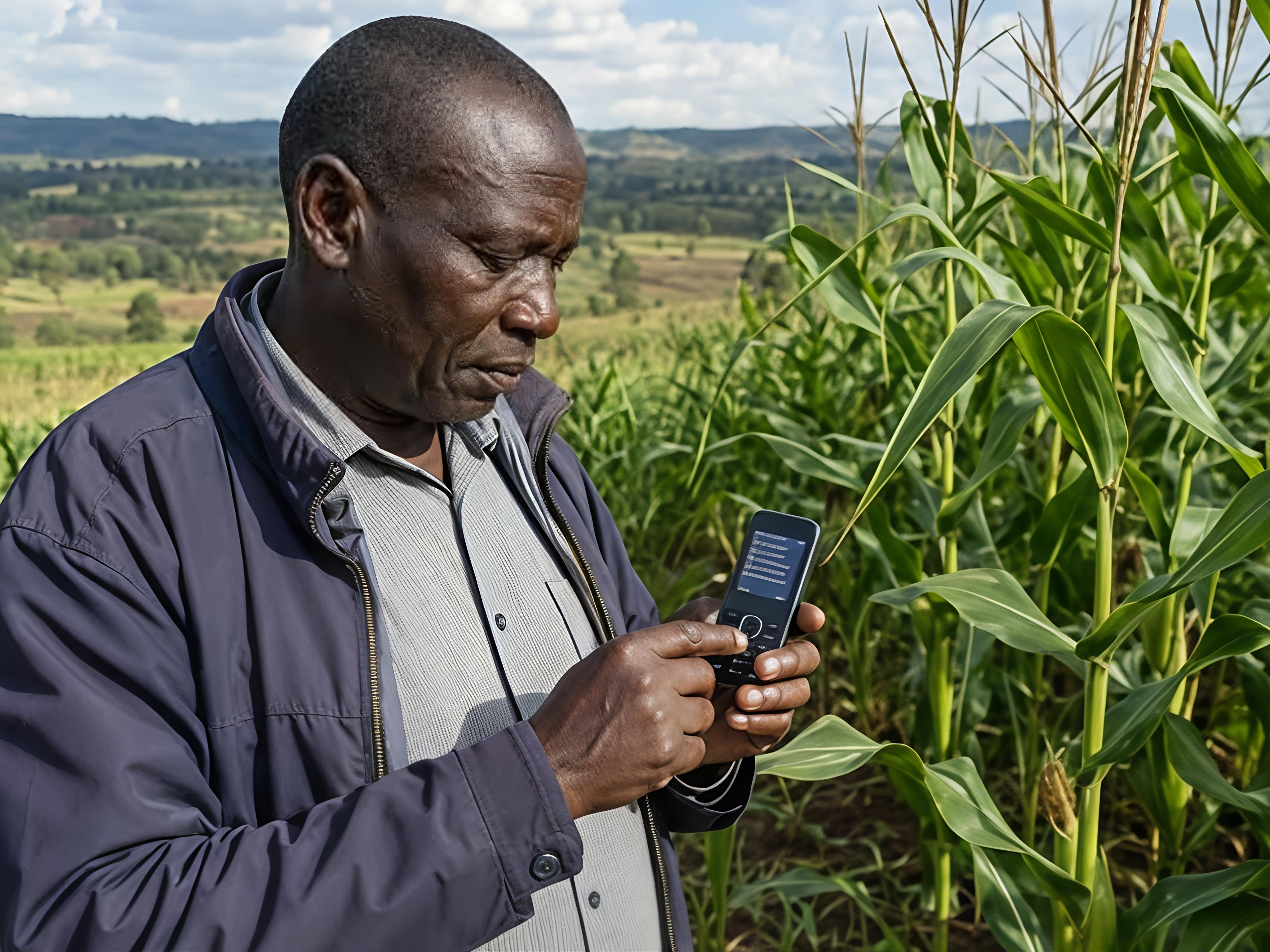
The practical effect is that a farmer who delivers milk, tea, coffee or other produce to a processor does not need a smartphone, a computer or a stable internet connection for the sale to be captured in the Electronic Tax Invoice Management System (eTIMS). The buyer records the delivery and raises the invoice. The processor, in turn, gets the documentation it needs to support the purchase as a business expense when it files its returns.
What Obell told the Citizen Assembly

Obell said the arrangement addresses the documentation problem facing businesses that source produce directly from farmers. Under the system, a buying business can generate invoices for suppliers who cannot issue them independently, and those invoices serve as the supporting record for the buyer's expense claims.
Obell also told farmers who struggle with electronic invoicing to visit KRA offices or use the authority's official communication channels for help, the same reports said.
The Murang'a meeting is part of KRA's nationwide Citizen Assembly programme, a series of town halls where taxpayers raise concerns about tax administration and compliance. Taxpayers and businesses at the Murang'a session also pressed the authority on delays in Value Added Tax (VAT) refunds. KRA responded that its monthly capacity to process legitimate VAT refund claims has reached about KSh 3 billion, and cited its Green Channel validation, which it says allows qualifying claims to be processed in roughly five days. KRA is also working to improve the integration of eTIMS and iTax after complaints about discrepancies in invoice reconciliation.
How buyer-initiated invoicing works
KRA's published taxpayer guidelines set out the process. Buyers access the solution through eCitizen, by selecting the Buyer Initiated module on their KRA profile, or by dialling *222# and navigating to the module under KRA Services. From there the buyer chooses the option to initiate a buyer invoice. Instead of keying in entries one at a time, a buyer can also upload the details in a .csv file, which KRA's guidelines describe in the eTIMS Buyer Initiated Invoicing User Manual.
Law firm Bowmans, which tested the system on eCitizen after the guidelines were published, notes that purchasers can raise either a single invoice for one seller or batch invoices covering multiple sellers. That matters for processors that collect produce from large numbers of farmers through the same collection centres. The seller then approves the invoice through eCitizen or USSD (*222#).
Report on the Murang'a meeting adds several conditions that apply to participating buyers:
Businesses must obtain approval from KRA after a Know Your Customer assessment.
Buyers must keep accurate records showing the supplier's KRA PIN, the quantity delivered and the value of the produce purchased.
Farmers must be notified by SMS or email whenever an invoice is generated, and can monitor and validate the records through their eTIMS accounts.
The supplier must agree to the arrangement before a buyer can invoice on their behalf.
KRA has directed purchasing businesses to meet the cost of running the functionality rather than passing it on to farmers.
KRA's own guidance gives sellers 30 days to accept or reject a generated invoice. After that period, an invoice that has not been accepted is automatically rejected, according to the authority's step-by-step USSD consent guide. A report is generated so the seller can see whether each invoice is approved, rejected or pending.
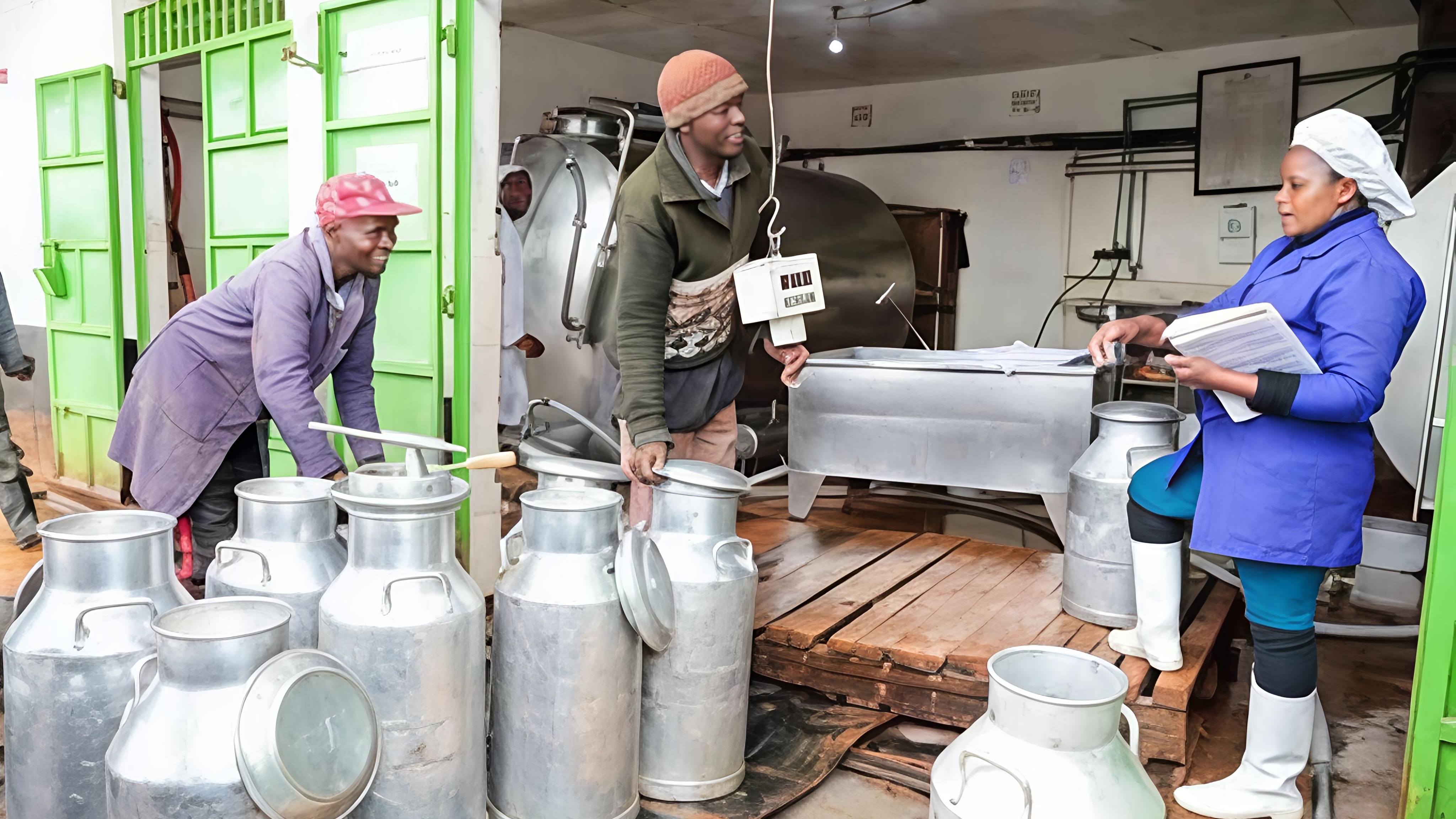
An example given in coverage of the system is a milk processor that records the litres supplied by each dairy farmer, applies the agreed purchase price and generates the invoice through its integrated system.
Not a new facility, but a renewed push
The module itself is not new. KRA introduced reverse invoicing on December 27, 2024, to improve tax documentation among small suppliers and in sectors where electronic invoicing was hard to adopt. The authority previously reported that the system had captured transactions worth about KSh 800 million, with roughly 800 buyers generating invoices covering about 4,500 transactions involving small taxpayers.
KRA published its Buyer Initiated Invoicing Guidelines on March 25, 2025, according to Bowmans. The guidelines were issued under section 23A(3A) of the Tax Procedures Act, which provides that where a supply is received from a small business, the purchaser shall issue a tax invoice for the purpose of ascertaining tax liability.
The terminology has not always been consistent. In earlier reporting, Business Daily described reverse invoicing as aimed at sectors that deal through aggregation, such as coffee, tea and dairy, and buyer-initiated invoicing as a parallel system targeting sectors that do not aggregate, with wholesale and retail the main focus. KRA's frequently asked questions page now treats both solutions as ways for a buyer to generate a tax invoice on behalf of a seller.
Why buyers have a reason to comply
The pressure on buyers comes from the tax code. The Finance Act 2023 amended the Income Tax Act to add section 16(1)(c), which requires business expenditure to be supported by eTIMS-generated invoices for it to be deductible when computing taxable income, Bowmans notes. Items not expected to carry such invoices, including salaries and wages, airline passenger tickets and imports, are exempt.
KRA announced on November 10, 2025, that from January 1, 2026, it would check income and expenses declared in tax returns against eTIMS records, withholding tax information and customs import data. The validation covers both individual and non-individual taxpayers. For an agricultural processor, purchases from farmers that lack a valid invoice are exposed to rejection when declared as expenses.
The tax authority has already applied similar reasoning to other informal supply chains. In a statement on Eastleigh, Obell said many businesses source goods from the Nairobi trading hub but struggle to obtain eTIMS invoices for expense claims, and that traders in that position must generate a buyer-initiated invoice through eCitizen to deduct stock costs.
Where it fits among KRA's options for small taxpayers
Buyer-initiated invoicing is one of several routes for small taxpayers. KRA also offers eTIMS Lite, accessible through eCitizen and USSD, which lets non-VAT-registered taxpayers such as farmers, artisans and small traders generate and transmit their own invoices through a simplified interface. Obell said about 680,000 businesses had onboarded onto eTIMS, with nearly two thirds joining through the simplified mobile-based systems. He said the authority had introduced phased implementation schedules and alternatives, including buyer-initiated invoicing for suppliers without smartphones or reliable internet.
Concerns from the sector
Farmers and their representatives have not uniformly welcomed eTIMS. Law firm Bowmans described the guidelines as a relief for small businesses facing technical glitches and complex interfaces, but said they may add to the administrative burden of purchasers.
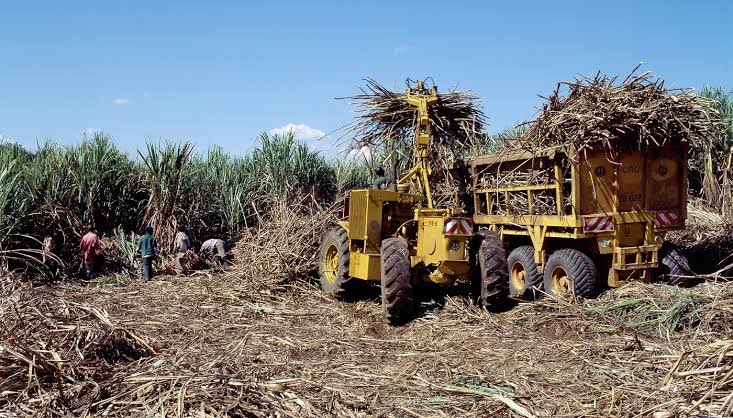
In January 2026, the Sugarcane Farmers lobby SUCAM warned that cane growers risked being taxed on losses unless KRA differentiated how eTIMS applies to the sector. SUCAM said eTIMS records only the gross value of cane delivered to mills, based on buyer-initiated invoices raised by millers, and argued that buyer-initiated invoicing does not change the nature of the supply or create new VAT obligations for farmers or cooperatives. The group's concern was about how the recorded figures could be read, not about the mechanism of raising invoices.
KRA has said participation depends on the supplier's consent and that buyers carry the operating cost. How those safeguards work in practice, including how quickly farmers see the invoices raised in their name and how disputes over quantities or prices are settled, will depend on the systems individual factories use to feed data into eTIMS. KRA's guidance says eTIMS stores all buyer-initiated invoices and related transaction details to provide a record for compliance and audit purposes.
Farmers or buyers who need help with the process can contact KRA offices or use the authority's official channels, as Obell advised at the Murang'a assembly.
Comments