 By
By 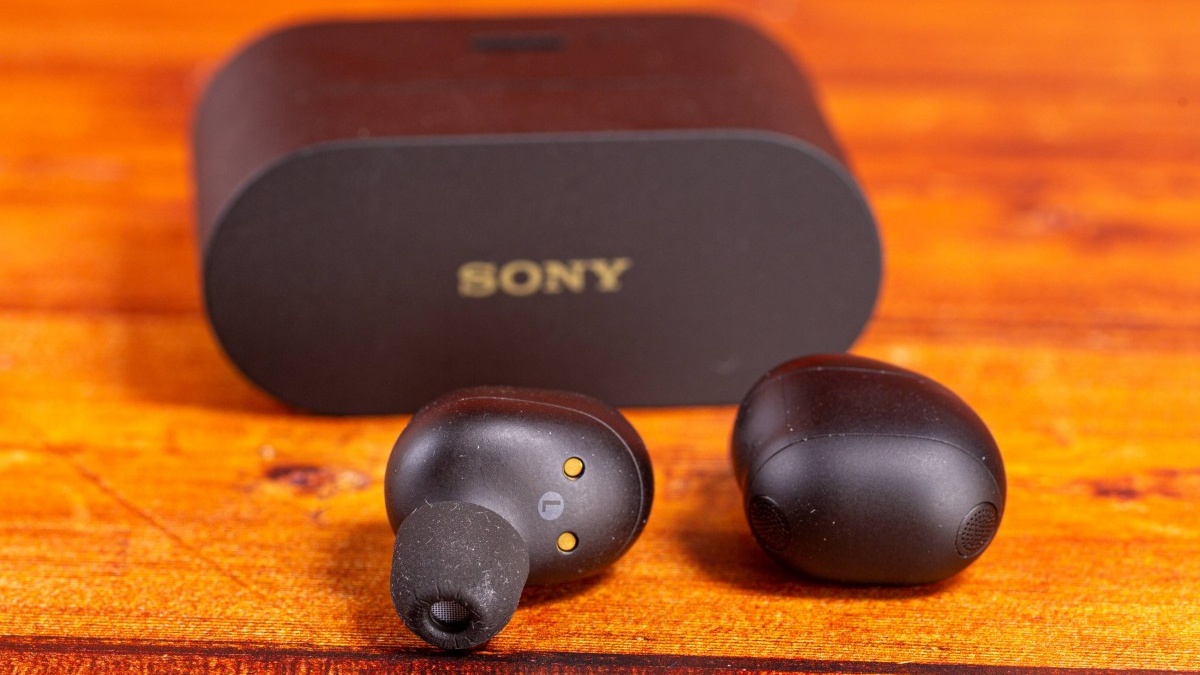
Okay, real talk. Sony just launched the WF-1000XM6 earbuds on February 12, 2026, priced at $329.99. That’s roughly KES 42,600 at current exchange rates.
Yes. Forty-two thousand shillings. For earbuds.
Before you close this tab thinking “this guy has lost it”, hear me out. I don’t have these earbuds either. I’m watching YouTube reviews just like everyone else, pausing videos to squint at graphs and scrolling through comment sections full of people arguing about codecs.
But this isn’t a review.
This is a question.
What exactly is Sony selling here and does this price make any sense in the Kenyan market?
The First Shock: A Quiet but Real Price Hike
Let’s start with the obvious. The WF-1000XM6 launches at $329.99, which is $30 more than the WF-1000XM5’s $299.99 launch price. That’s about a 10% increase, and while that may not sound dramatic in dollar terms, it matters once you translate it into local reality.
In Kenya, where electronics pricing doesn’t stop at exchange rates, this bump compounds quickly. Import duties, VAT, shipping, and retailer margins mean that what starts as $329 almost certainly lands north of KES 45,000 at official retailers. That’s before we even talk about availability delays or scarcity premiums.
For context, the most I’ve ever spent on earbuds was KES 9,800 on Oraimo SpaceBuds Pro. And they’ve been excellent. Good sound, respectable ANC, solid battery life. They do what I need.
So the real question becomes uncomfortable very quickly:
What does spending four to five times more actually get you?
Sony Isn’t Chasing Value, It’s Defending a Throne
To understand the WF-1000XM6, you have to understand Sony’s strategy.
These earbuds are not designed to sell in huge volumes. Sony already knows most people won’t buy them. That’s not a failure, it’s the point. The WF-1000X line is a halo product. Its job isn’t affordability; it’s dominance. Sony wants to be able to say, without hesitation, that it makes the best true wireless earbuds on the market, not the cheapest, not the best value, but the best.
This is the same logic behind flagship smartphones priced far beyond what most people will ever pay. Their existence lifts the entire lineup. When the XM6 launches at $329, suddenly an XM5 discounted to $230 looks like a bargain. The ladder makes sense. And Sony isn’t competing with Oraimo, Soundcore, or Nothing here. It’s competing with Apple’s AirPods Pro, Bose’s QuietComfort Ultra, and its own legacy.
Kenya, frankly, is not the target market. And Sony knows that.
Design Changes That Spark Questions
One of the more divisive changes this year isn’t internal, it’s external.
Sony redesigned the charging case. Instead of the compact, curved case of the XM5, the XM6 now comes in a taller, cylindrical-oval case with flat top and bottom surfaces. It looks futuristic. It also looks… larger. That would be fine if it came with a clear tradeoff. But battery life remains unchanged: 8 hours on the earbuds, 24 hours total with the case.
So naturally, people are asking: why make the case bigger if nothing else improved?
Personally, I don’t hate the design. It looks modern. But the XM5’s case was already pocket-friendly and discreet. This feels like change for the sake of change — not progress.
Where Sony Actually Improved Things
This is where the XM6 earns its flagship badge.
Sony claims 25% better noise cancellation than the XM5, particularly in mid-to-high frequencies exactly the noise profile you deal with on matatus, in open offices, and on busy Nairobi streets. A new processor and additional microphones per earbud help achieve this. Sound quality also gets a bump. Sony upgraded the driver and moved to 32-bit audio processing, with early impressions pointing to cleaner treble, tighter bass, and better instrument separation. In plain language: these earbuds probably sound excellent.
The physical design of the earbuds themselves is also improved. They’re slimmer, matte-finished again (goodbye fingerprints), and easier to grip. Call quality has been upgraded with additional microphones and bone-conduction sensors, which matters more than people admit if you spend hours in meetings. This is not a lazy update. Sony clearly worked on these.
The “Meh” List Still Exists
Despite the improvements, some things feel stagnant. Battery life didn’t improve. Water resistance remains IPX4. There’s still no aptX support, meaning Android users are locked into LDAC for high-resolution audio. None of these are dealbreakers individually but at this price point, expectations are unforgiving.
The Import Math Nobody Likes to Talk About
Here’s where global pricing collides with Kenyan reality. That $329 price tag is theoretical. By the time the WF-1000XM6 reaches shelves here, several layers have stacked on top of it: customs duties, VAT, shipping, distributor margins, retailer margins. This is how a $329 product quietly becomes KES 45,000+.
That’s why many Kenyan buyers turn to the grey market — Instagram sellers, imported units, “brand new, sealed” offers without official warranties. You save money, but you take on risk. If something goes wrong, you’re on your own. Sony knows this happens. Retailers know it happens. Consumers know it happens. It’s an unspoken compromise in the electronics market.
So Who Is Actually Buying KES 40k Earbuds in Kenya?
Despite appearances, there is a buyer for these earbuds, just not many.
First, there are professionals who practically live in their earbuds: remote workers, consultants, frequent callers, people who value call clarity and noise cancellation because it directly affects their work.
Second, there are audio enthusiasts. Not casual listeners, but people who genuinely hear the difference between decent sound and great sound. For them, marginal gains matter.
Third, there are brand loyalists. Sony has earned trust over years of consistent quality. Some buyers upgrade every cycle simply because they know what they’re getting.
But these groups are small. The majority of Kenyans are operating in a completely different reality — one where earbuds are impulse purchases from Ngara, Jumia flash sales, or bundled phone accessories. Sony isn’t ignoring that reality. It’s simply not designing for it.
The Value Ladder Most Buyers Actually Live On
At the bottom rung — KES 5,000–10,000 — you already get surprisingly competent earbuds. Decent sound, acceptable ANC, usable battery life. The sweet spot sits between KES 15,000–25,000, where returns are highest. This is where features balance cost, and improvements feel meaningful. Beyond KES 30,000, returns diminish. You’re paying for refinement, not transformation. The WF-1000XM6 sits firmly in that last category. It’s not trying to convert budget buyers. It’s trying to perfect the experience for people already committed to premium audio.
Would I Buy Them at KES 42,600?
Honestly? No. Not right now.
At KES 9,800, my Oraimo SpaceBuds Pro give me about 90% of what I need. The Sony earbuds are undoubtedly better but not four times better for my use case.
That doesn’t mean they’re overpriced. It means they’re not meant for me.
If you:
Use earbuds for hours every day
Care deeply about sound quality
Have the budget and want the best Sony can offer
Then yes, these make sense. For everyone else, patience is the smarter move.
The Smart Kenyan Move: Wait
Sony products almost always drop in price. Give it six months. Let supply normalize. Let early adopters move on. By the end of the year, the WF-1000XM6 will almost certainly be cheaper and suddenly much easier to justify. Or better yet, grab the WF-1000XM5 at a discount and enjoy 90% of the experience for significantly less money.
The Kenyan Reality Check
At KES 42,600, these earbuds cost more than:
Many decent smartphones
Two months’ rent for some people
A return flight to Mombasa
That perspective matters.
The WF-1000XM6 is an impressive piece of engineering. But in a market where most people are still using wired earphones or KES 1,500 buds, this is a niche luxury.
Final Verdict
The Sony WF-1000XM6 is not a mistake. It’s not greed. It’s not tone-deaf. It’s a deliberate flagship — polished, refined, and unapologetically premium.
But it’s also not for most Kenyans.
If you can afford them and audio quality genuinely matters to you, you’ll probably love them. If you’re value-driven, pragmatic, or budget-conscious, better options already exist and even better ones will appear once discounts hit.
Me? I’ll keep watching reviews. And maybe, when the price drops to something closer to KES 25,000 in a flash sale, we can talk again.
Comments