 By
By 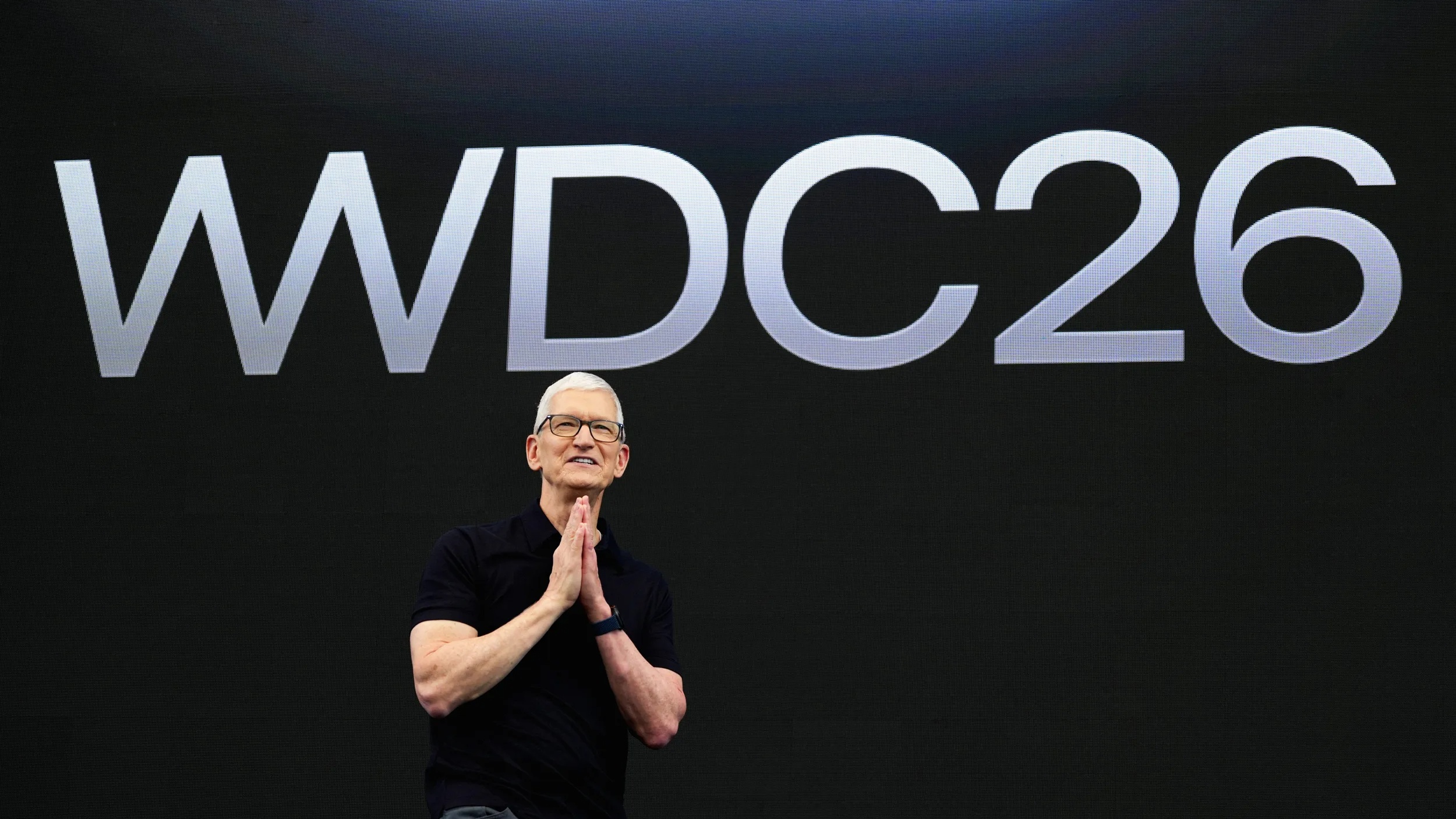
Apple's annual Worldwide Developers Conference kicked off on Monday, June 8, and true to form, it was packed with software announcements. There were no major hardware announcements during the keynote. Instead, Apple focused on the next generation of Apple Intelligence, a rebuilt version of Siri, refinements to the Liquid Glass interface introduced last year, and the annual refresh of its major operating systems.
There was also a bit of a farewell in the air. This is Tim Cook's last WWDC as Apple CEO before he steps down and cedes the role to John Ternus, the company's senior vice president of hardware engineering, on September 1. Cook closed out the keynote on a reflective note, saying he truly believes the best is still ahead.
Here is a rundown of everything announced.
Siri AI: The Star of the Show
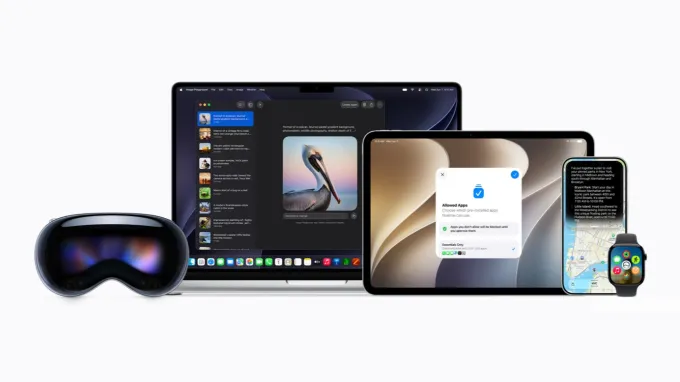
The highlight of the show was the new version of Siri, rebuilt to perform complex actions with a deep, system-wide understanding of personal context and on-screen awareness.
Rather than operate primarily as a voice-command tool, the new Siri is designed to function as a more conversational AI assistant across Apple devices. It can answer general knowledge questions using information from the web, understand what is currently visible on the screen, and refer back to previous conversations. Apple says Siri AI can also use personal context from the user's device, for example searching through messages to find a friend's address, retrieving information from emails, or helping with tasks involving calendar events and other apps.
A dedicated Siri app will allow users to speak or type prompts in an interface closer to modern chatbot apps. Conversation history can be saved through iCloud and accessed across supported Apple devices, while users can also discuss images and files directly with Siri.
On the power behind it: Siri will be more conversational, detailed, and engaging, and will no longer hand off your query to third-party AI providers like ChatGPT. That said, Siri AI is powered by Google's Gemini model. Apple is framing the experience as deeply private and integrated into the ecosystem, even as it relies on Google's infrastructure under the hood.
One notable caveat: Siri AI won't be available in the EU on iOS and iPadOS due to complications with the Digital Markets Act. Apple has not provided a timeline for when those features will become available to EU iPhone and iPad users. However, Siri AI will still be available in the European Union on supported Macs, Apple Watches and Vision Pro headsets.
iOS 27
iOS 27 is not a dramatic visual redesign in the same way that iOS 26 was last year. Instead, Apple is refining its Liquid Glass interface while adding more practical controls and AI-powered features. One of the most notable additions is a Liquid Glass opacity slider, allowing users to reduce or increase the transparency of interface elements.
Other iOS 27 highlights include Safari automatically organising tabs into groups, a new "Notify Me" feature that alerts you when a webpage changes (great for price drops or restocks), and the Passwords app gaining one-tap credential updates. Shortcuts is also getting smarter: users will be able to describe an automation in natural language and have the app build it for them.
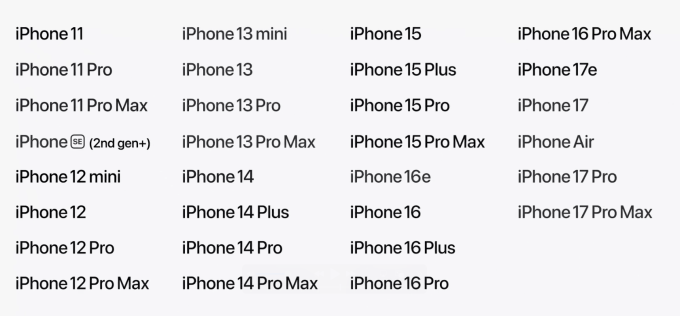
Apple says iOS 27 will support the iPhone 11 and newer models.
iPadOS 27
iPadOS 27 builds on Apple's recent efforts to make the iPad more capable as a productivity device, although this year's update focuses primarily on performance and AI integration rather than another major multitasking redesign. Apple says apps can launch up to 30 percent faster through intelligent preloading, and switching between apps should also feel more responsive.
macOS Golden Gate 27
The next version of macOS is called macOS Golden Gate 27, and it marks a major turning point for older Mac users. Golden Gate will only support Macs powered by Apple silicon. macOS Tahoe 26 was the final major macOS release for Intel-based Macs, although Apple says those systems will continue receiving security updates for three more years.
On the Mac, Siri AI gets some compelling productivity powers. During its demonstration, Apple showed Siri analysing multiple PDF documents at once. Users can select several files, ask questions about their contents and receive a consolidated response without opening each document manually.
Visual Intelligence is also expanding: a new keyboard shortcut can capture information from the screen and turn it into an action. For example, users can take a screenshot of an event schedule and automatically add the dates to Calendar, or ask questions about a product displayed on a website.
watchOS 27 and visionOS 27
Siri AI will also be available on supported Apple Watch models and Vision Pro headsets. The Vision Pro implementation is particularly notable, as users can look at a floating Siri orb and begin interacting with the assistant without relying entirely on a spoken wake phrase.
AirPods Get a Custom EQ
A much-requested feature finally lands. AirPods users will be able to create a custom equaliser profile through iOS 27. The new EQ controls allow users to adjust low, mid and high frequencies based on their listening preferences. Until now, AirPods users largely had to rely on Apple's default sound tuning and a smaller set of accessibility-related audio adjustments.
Parental Controls Get a Big Upgrade
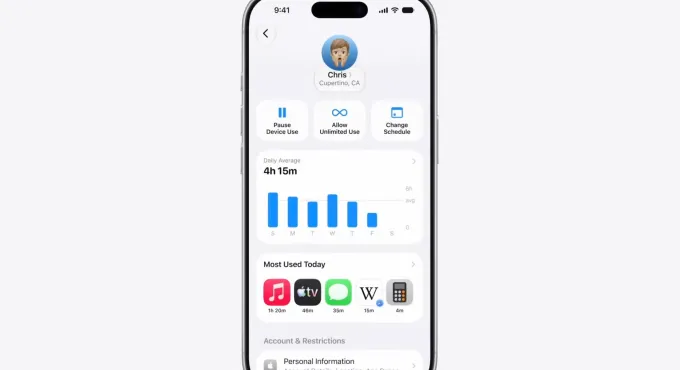
Setting up a child account will become simpler, with Apple recommending age-appropriate essential apps during the process. Child accounts remain required for users under the age of 13, although parents can continue using the system for teenagers up to the age of 18. A new Ask to Browse feature allows children to request permission before accessing a new website in Safari.
Communication Safety, which already detects and blurs nudity in shared images, is expanding to cover gore and violent content. Apple says the system can intervene before children view or share potentially disturbing images and videos.
Accessibility and App Store Changes
Apple Intelligence will turbocharge some accessibility features. VoiceOver will offer richer descriptions of images, while users will be able to press the iPhone's Action Button to ask questions about what the camera is seeing. Accessibility Reader will support summaries and translations.
On the App Store side, Apple announced new personalised discovery tools and richer creative assets for developers, giving them more ways to showcase their apps.
Watch The Full WWDC 26 Here
WWDC 2026 was a clearly AI-first event, with Siri finally getting the overhaul that users and critics have been waiting years for. The Gemini integration is an interesting move that Apple will likely downplay in its marketing, but it signals a pragmatic shift. The end of Intel Mac support with macOS Golden Gate is also a significant milestone, closing the chapter on an era that lasted nearly two decades.
WWDC 2026 shows where Apple is heading next: AI inside its core apps, a rebuilt Siri, improved performance, and giving users more control over design and privacy. Developer betas for iOS 27, iPadOS 27 and macOS Golden Gate are already available to try.
Comments