 By
By 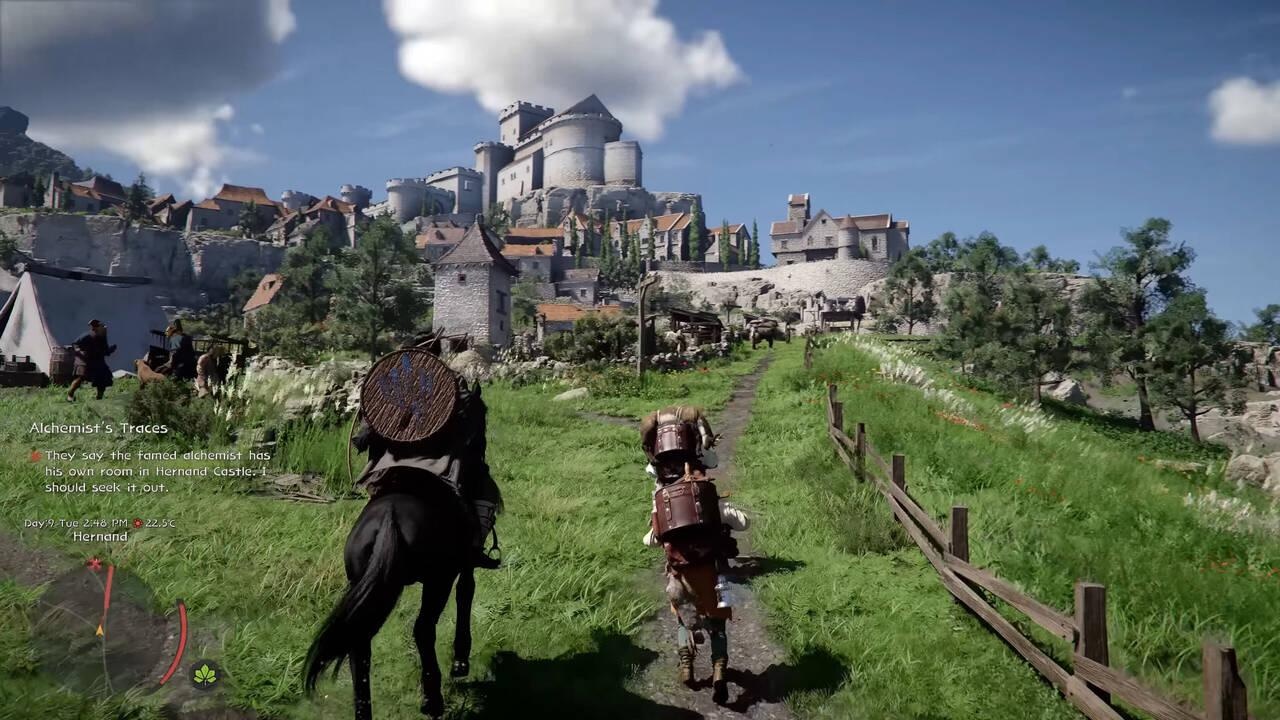
Seven years is a long time to wait for anything. Imagine announcing a game in 2019, watching it pivot from an MMORPG prequel into a full standalone single-player epic, surviving multiple delays, and finally landing on shelves on March 19, 2026. That is the journey Pearl Abyss took with Crimson Desert, and the question everyone had on launch day was simple: was it worth the wait?
The short answer is complicated. The long answer is what this article is about.
Crimson Desert has had one of the most turbulent launches in recent memory. It moved an impressive 2 million units in its first 24 hours, 3 million within its first week, and has been reported to have surpassed 5 million copies in its opening month. Those are genuinely strong numbers for a premium single-player game. And yet, when review scores came in at a Metacritic aggregate of 78 out of 100, Pearl Abyss's stock dropped nearly 30% in a single trading session, wiping out over a billion dollars in market value. The game was not a disaster. It was simply not the genre-defining masterpiece investors had priced in.
So what exactly did Pearl Abyss deliver? Let us get into it.
What Is Crimson Desert?
Crimson Desert is a single-player, open-world action-adventure RPG set on the war-torn fantasy continent of Pywel, a sprawling landmass reportedly inspired by the historical architecture and landscapes of Sicily, Italy. You play as Kliff, the grizzled leader of a mercenary band called the Greymanes. The story kicks off with a brutal, middle-of-the-night ambush carried out by the Black Bears, a rival faction led by a ruthless warlord named Myurdin. The attack leaves the Greymanes shattered: dead, captured, or scattered across the continent.
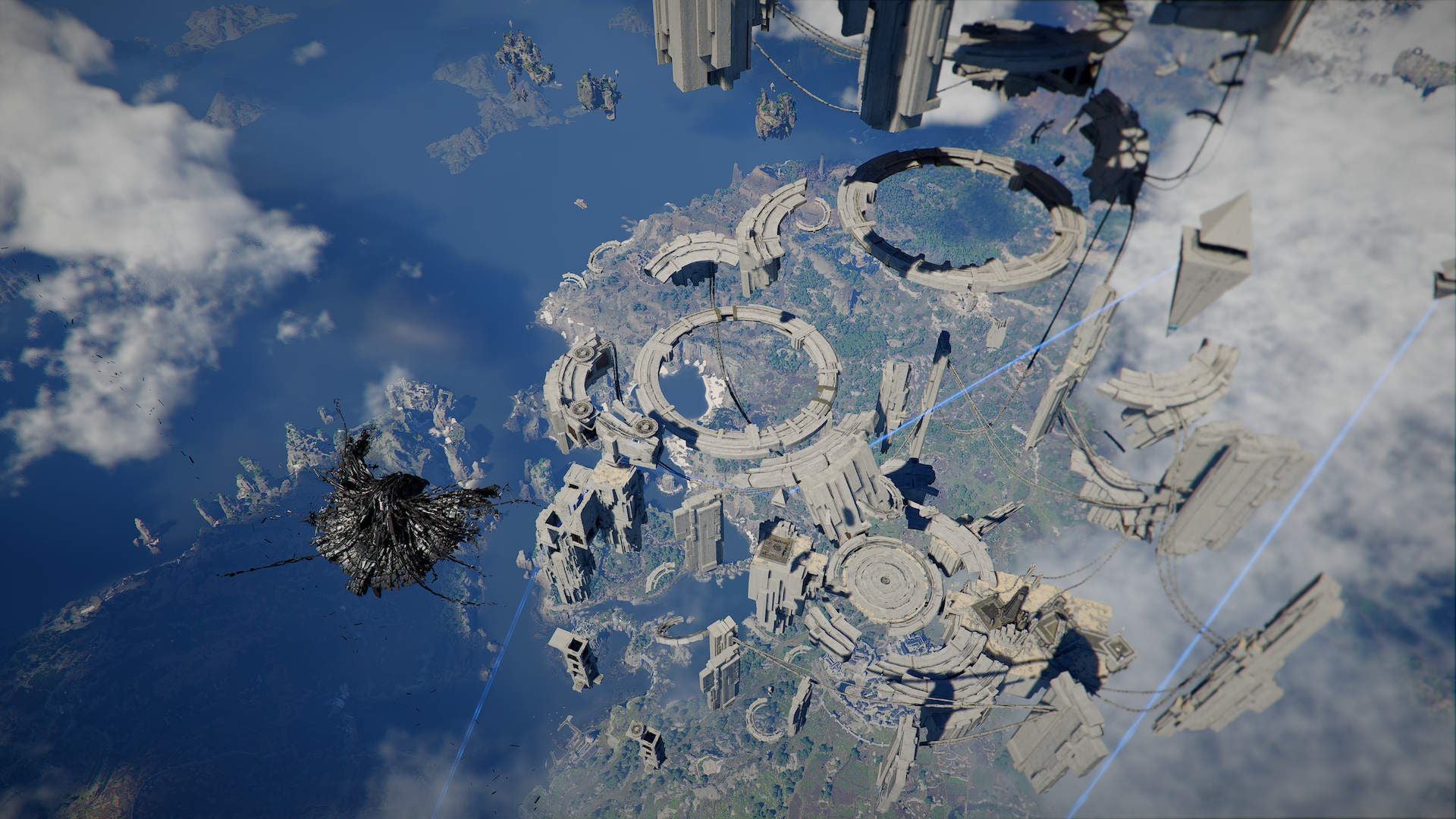
From there, the narrative follows Kliff as he hunts down his surviving comrades, figures like Oongka, Yann, and Naira, in order to rebuild his fallen faction and chase vengeance. As the plot unfolds, it weaves in political intrigue, magical anomalies, and a creeping ancient threat tied to a mysterious dimension called the Abyss.
The game was originally conceived as an MMORPG prequel to Pearl Abyss's popular Black Desert Online, but during development, it was retooled entirely into a standalone single-player experience. That shift in vision explains a lot of both the game's greatest strengths and its most glaring weaknesses.
The World of Pywel: An Engineering Marvel
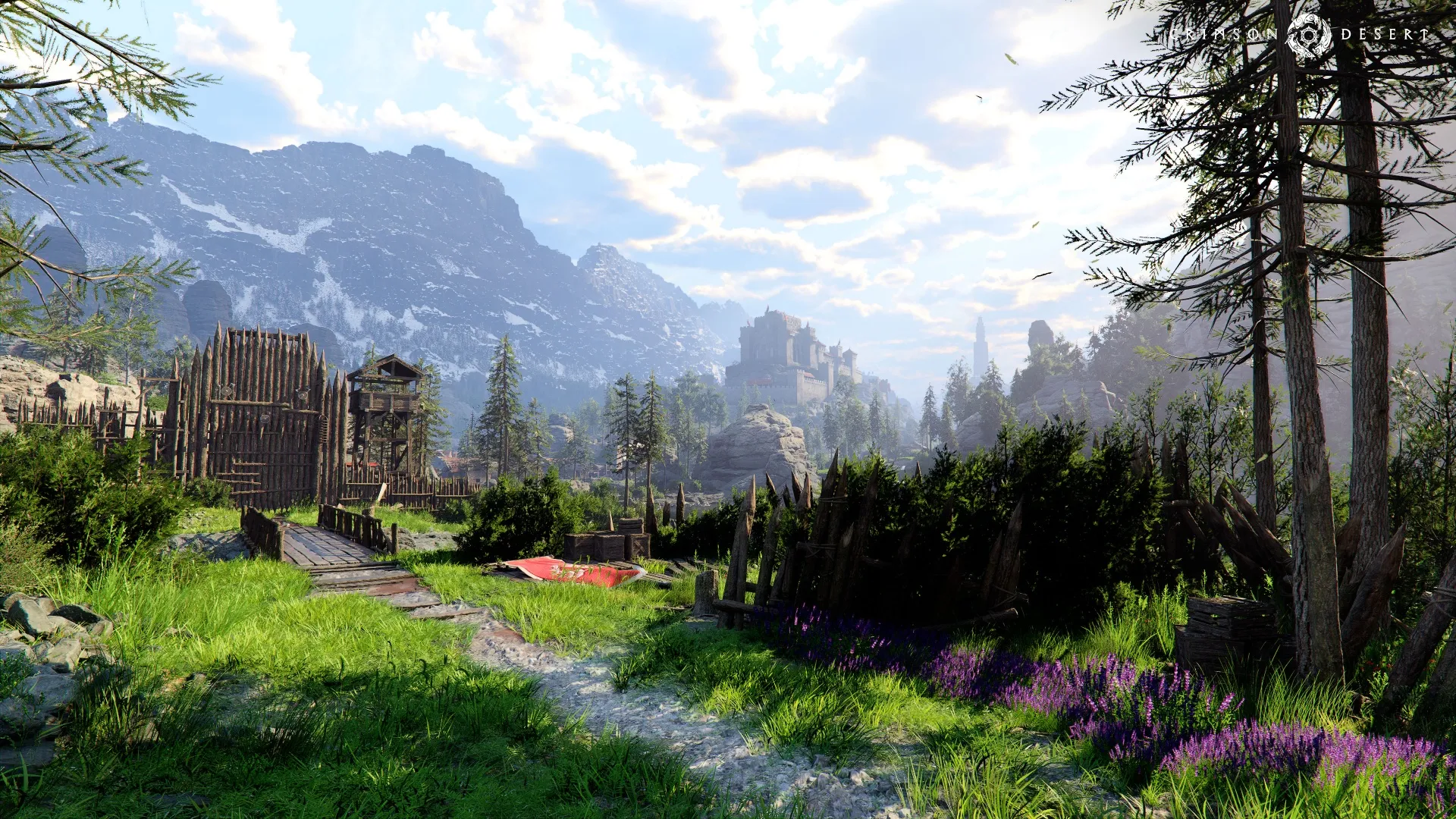
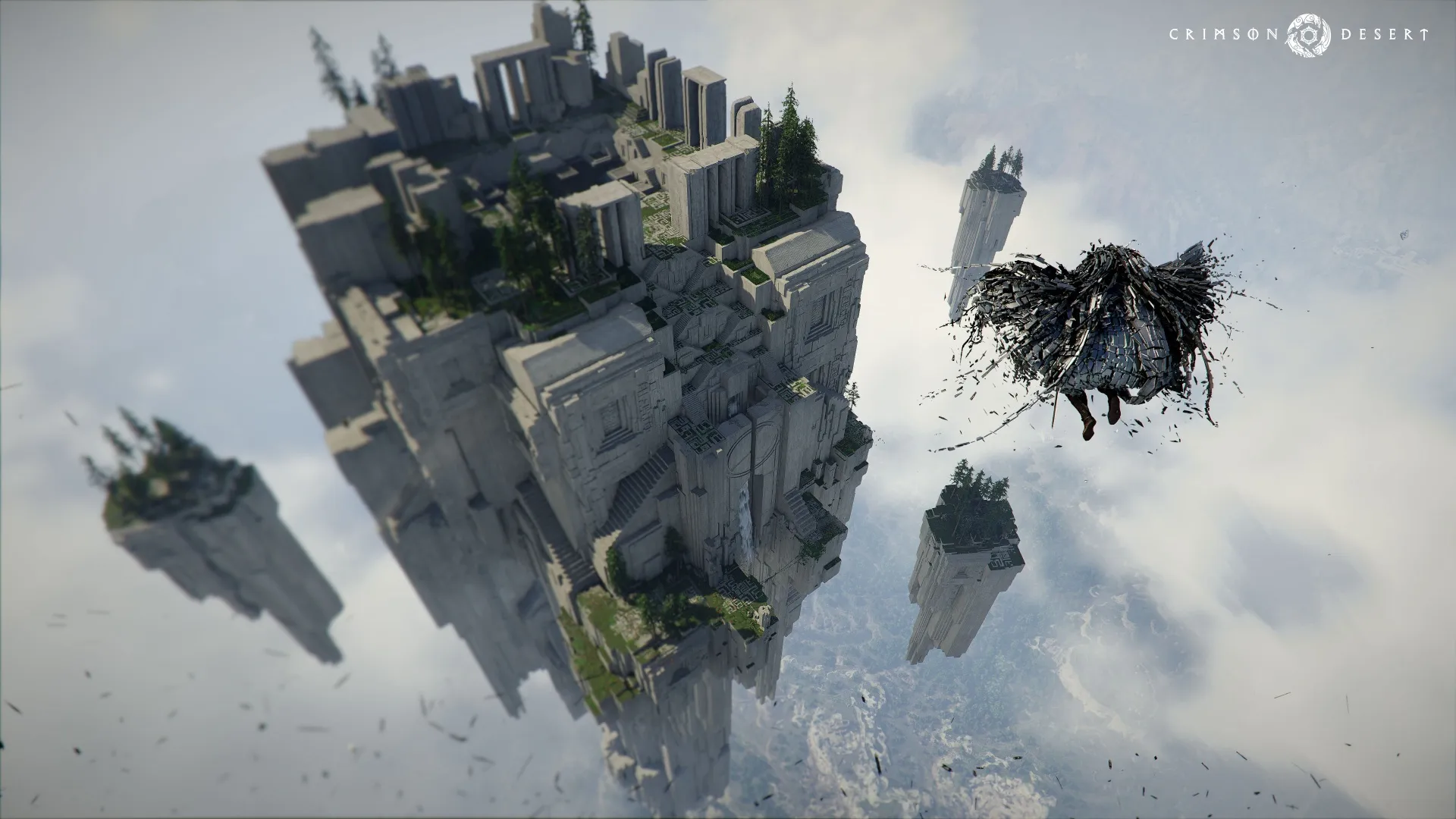
Before we talk about anything else, we have to talk about the technology powering Crimson Desert, because it is genuinely remarkable.
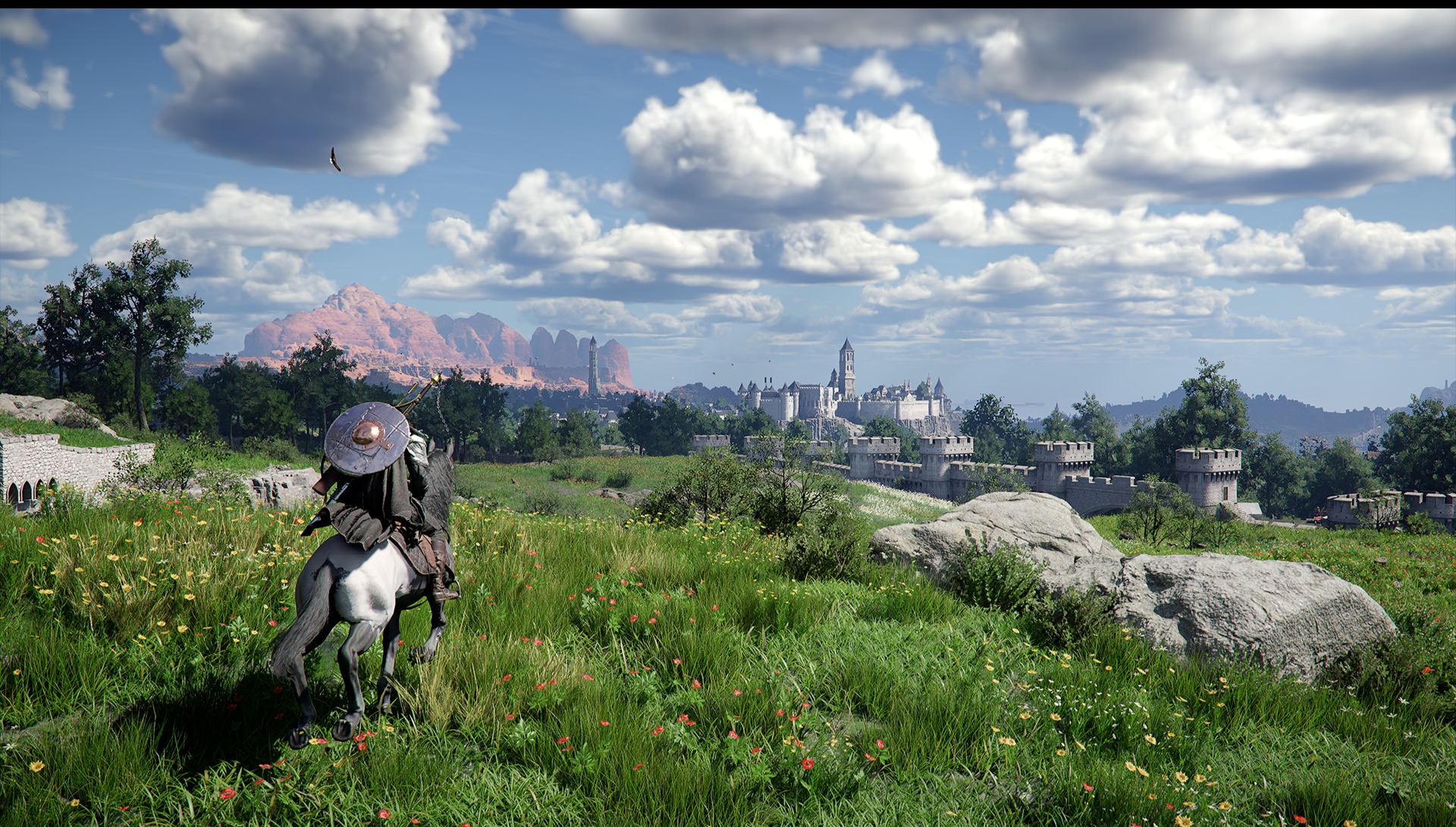
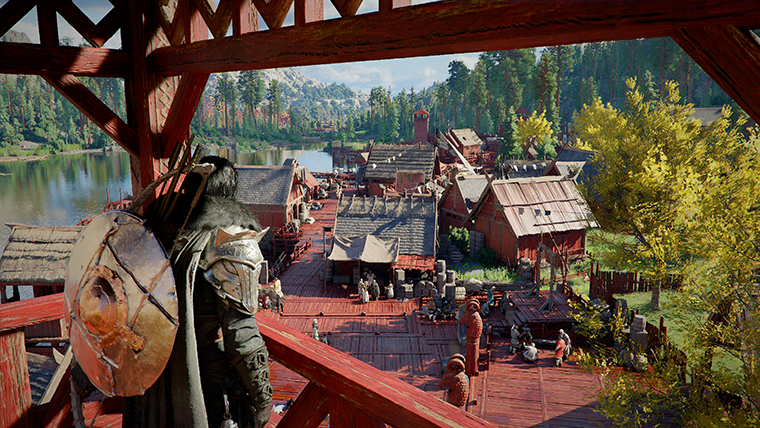
Pearl Abyss built the game on their proprietary BlackSpace Engine, a custom-made system developed specifically because existing engines like Unreal Engine 5 could not handle the scale and detail they envisioned. The result is stunning. The playable world of Pywel spans roughly 123 to 150 square kilometres, making it approximately twice the size of Red Dead Redemption 2's map. On high-end PCs, the game targets native 4K at 60 frames per second with ray-traced global illumination active. At CES 2026, the engine was named best-in-show, with Digital Foundry noting that its per-pixel ray-traced global illumination rivals or edges out Lumen, the engine powering Unreal Engine 5 titles, while demanding noticeably less GPU overhead.
Standing on a mountain peak in Crimson Desert is one of those moments that reminds you why you play games. You can look out and see the entire continent seamlessly rendered at once, no loading screens, no pop-in horizons, just a living, breathing world stretching to the edges of your screen. The cinematic flair of boss battles has been consistently singled out by critics as some of the best in modern gaming.
That said, all of this visual ambition does not come without caveats. Up close, the polish thins out considerably. Even on high-end PCs and current-generation consoles, lighting glitches and texture pop-ins are frustratingly common. The wide-angle vistas are breathtaking; zooming in sometimes reveals the seams.
Combat: Chaos, Physics, and Pro-Wrestling Moves
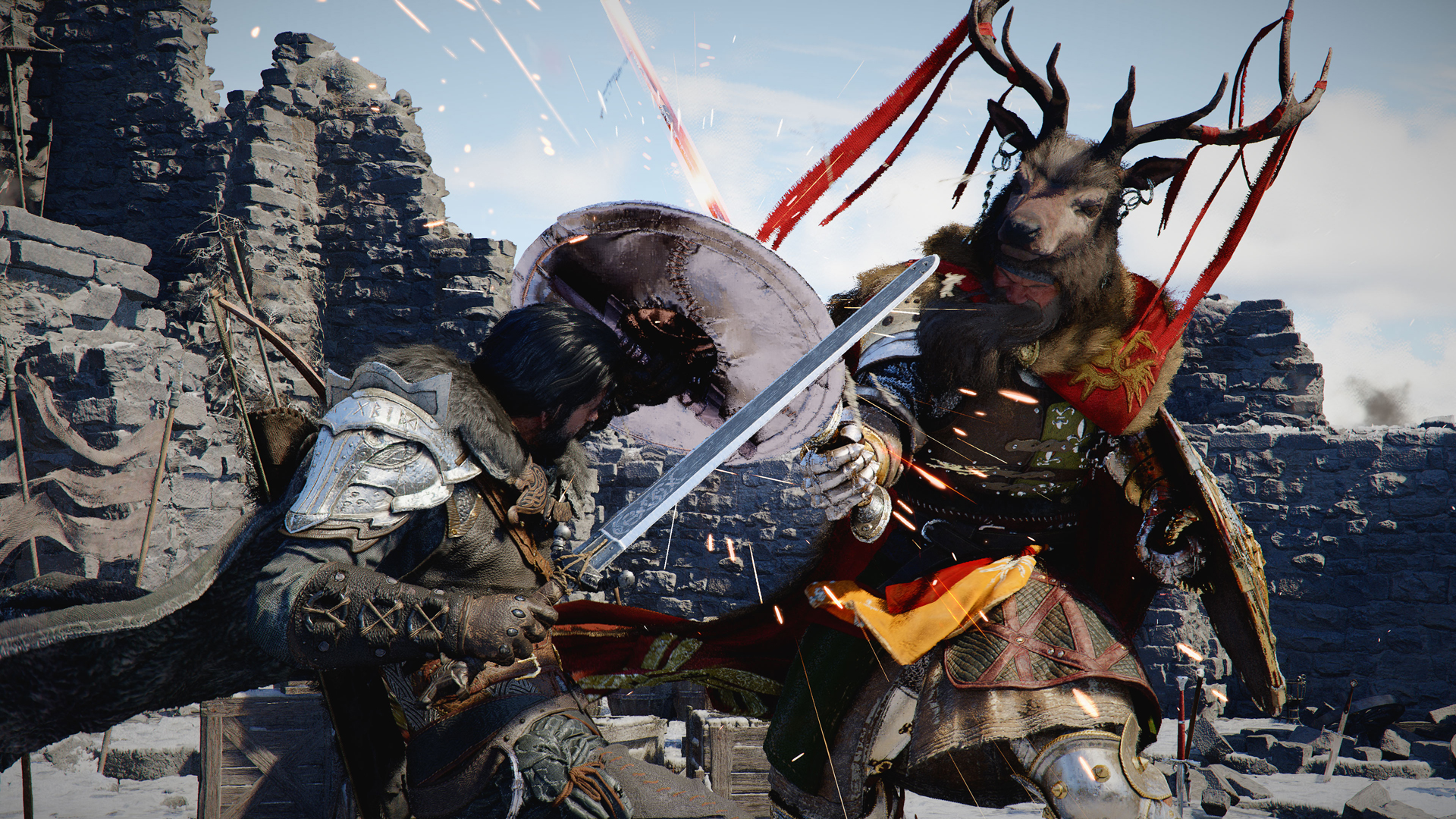
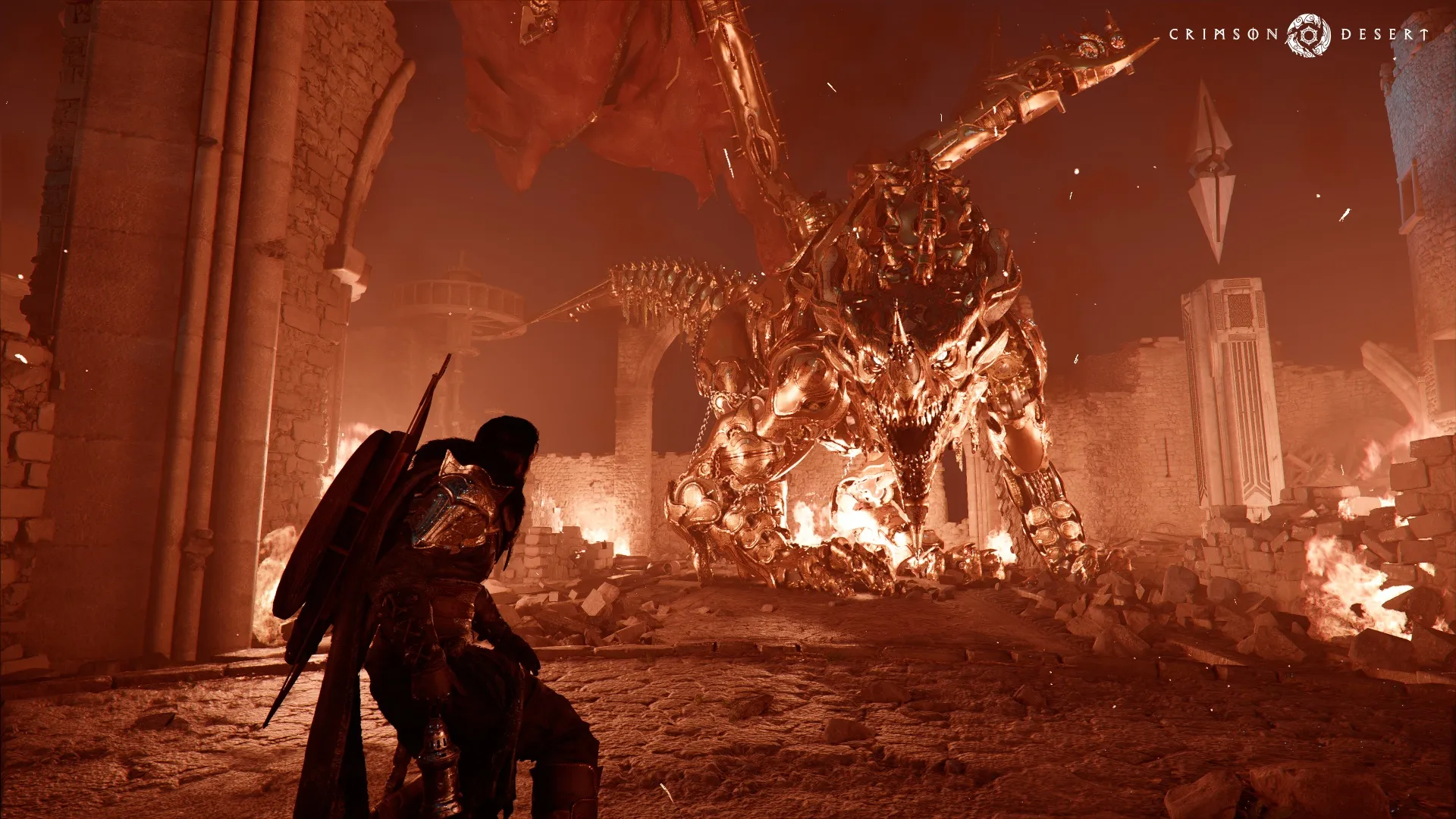
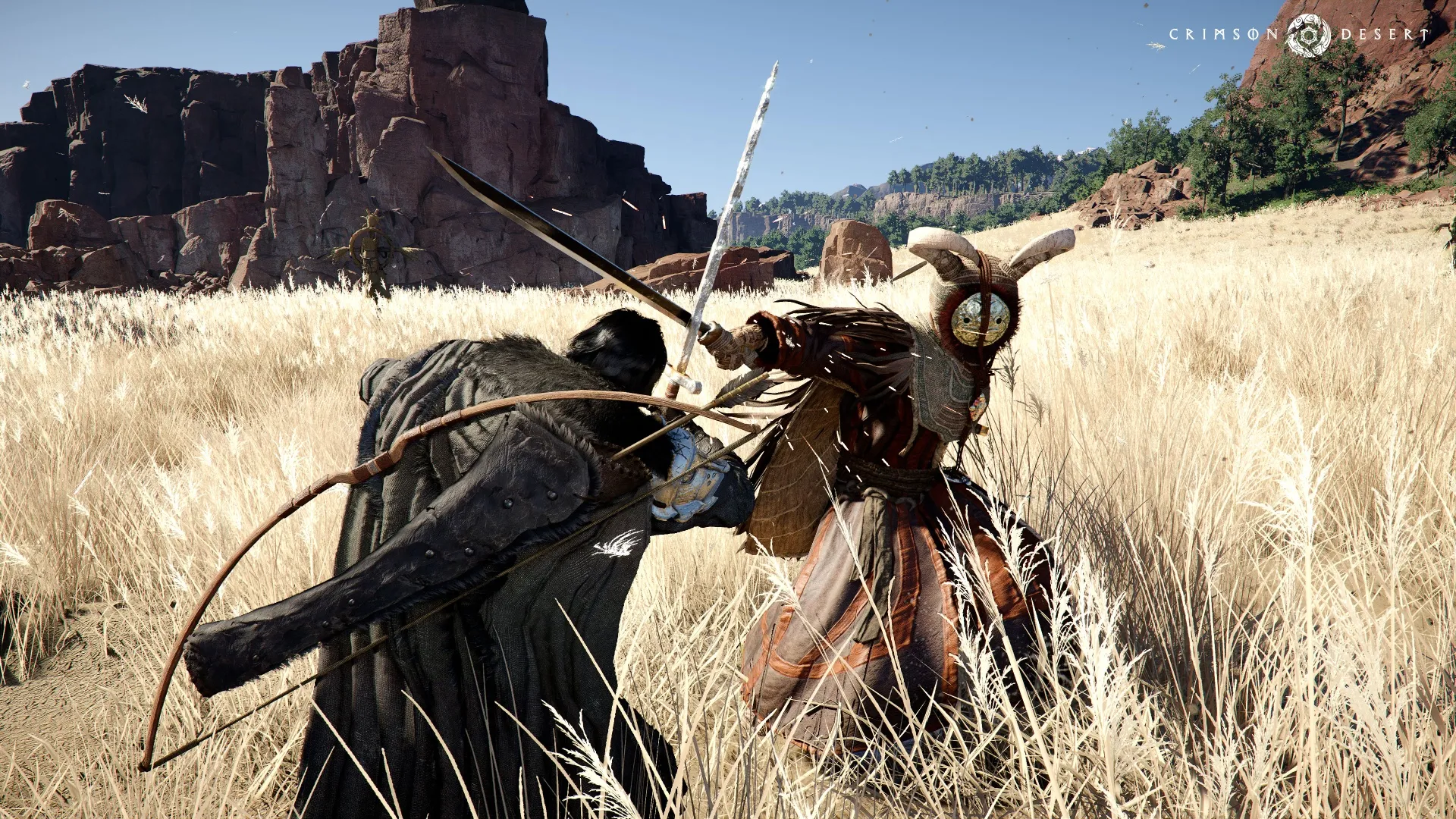
If you have been keeping an eye on gaming trends, you know that open-world combat has felt a little stale lately. Crimson Desert tries something different, and largely succeeds.
Combat in Crimson Desert feels like a collision between Devil May Cry, a professional wrestling match, and a physics sandbox. You are not just swinging swords. You can grab an enemy, execute a perfect suplex, hurl them into a pile of explosive barrels, or use them as a projectile to take out another attacker. Early in the game, Kliff gains powers from the Abyss, including something called the Axiom Force, essentially a magical grappling hook that eventually upgrades into a tool that lets you swing across the sky like Spider-Man. There is also a gliding mechanic to help you navigate the game's considerable verticality.
What makes the combat feel fresh is how the skill trees are designed. Rather than offering the usual "+5% attack damage" stat bumps, unlocking new abilities gives you entirely new active moves, wrestling techniques, and traversal options that genuinely change how you play. It is the kind of progression system that makes you want to experiment rather than just optimise.
The flip side is that Kliff can do so many things, parry, dodge, grab, suplex, cast magic, grapple, that the controller layout becomes genuinely cluttered. During intense fight sequences, input mishaps are a recurring frustration, and the platforming sections suffer from a lack of precision that feels out of place in an otherwise physically grounded game.
The Open World: Surprisingly Hands-Off
One of the most praised aspects of Crimson Desert is also one of the most divisive: the near-total absence of hand-holding.
There are no yellow paint markers on ledges telling you where to climb. There is no intrusive UI tracking your every step. Players frequently report the genuine thrill of getting lost in the world and accidentally stumbling into massive unscripted adventures or terrifying dragon encounters. This philosophy of discovery gives Pywel a sense of weight and mystery that is increasingly rare in big-budget open-world games.
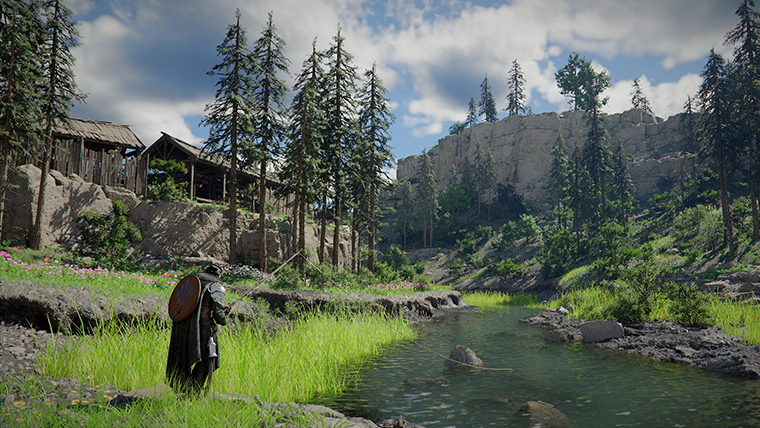
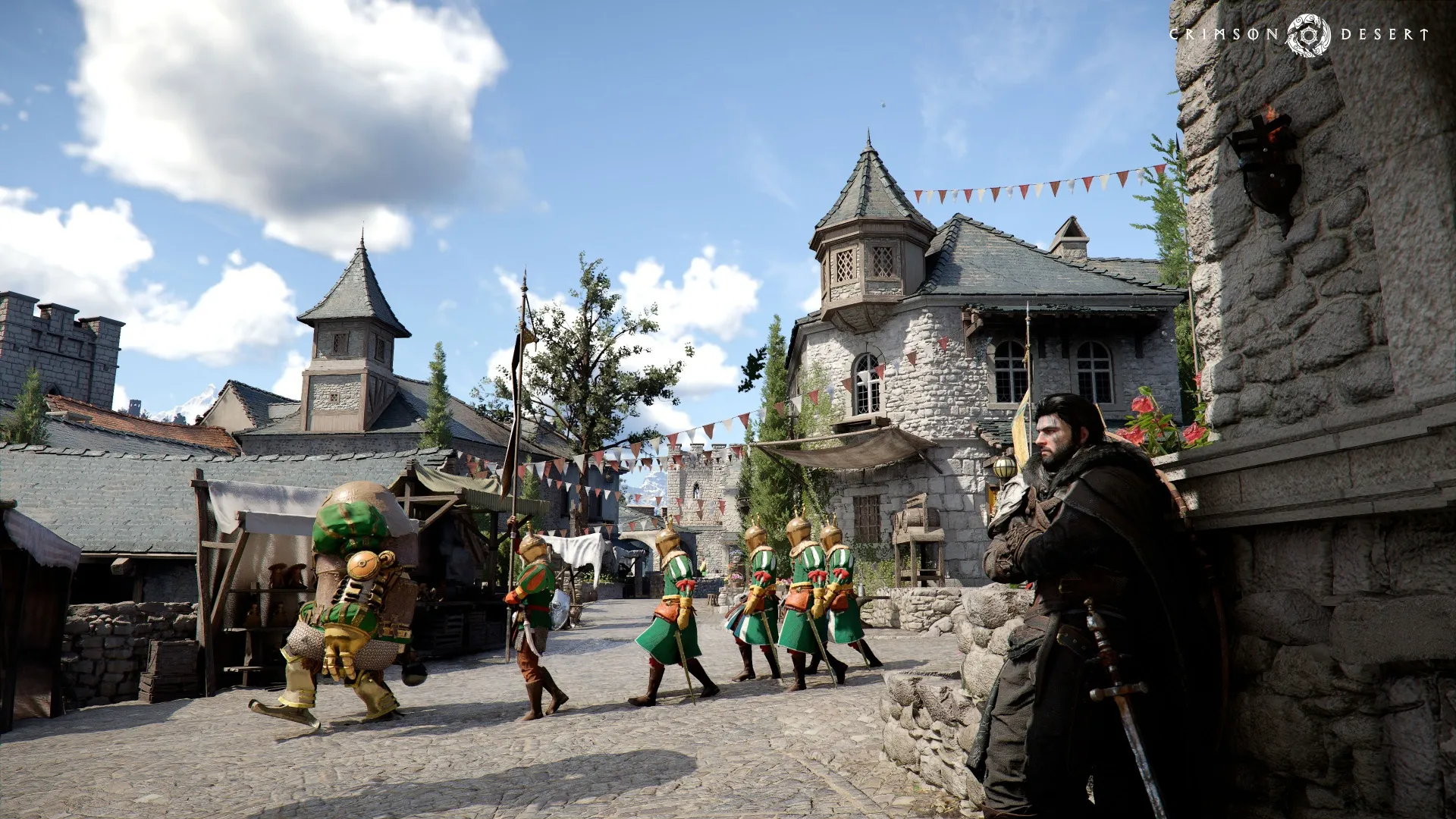
The world is also a proper sandbox in the tradition of Pearl Abyss's Black Desert Online roots. When you are not fighting, you can chop down trees for lumber, mine rare ores, fish, cook, and hunt. Helping people across different regions earns you contribution points that can be traded with specialised merchants for high-tier, stylish gear, replacing the usual reputation bars with something that feels more organic and rewarding.
The NPCs are not static set dressing either. They have routines and lives of their own. If you free a town from an ongoing attack, or destroy a bridge leading to it, you leave a lasting mark. New NPCs can move in, trade routes can open up, and the town can evolve based on your actions.
According to multiple playtime estimates, completing just the main story will take roughly 50 to 80 hours. Add in side content, and you are looking at well over 100 hours of gameplay.
One minute you are locked in a cinematic showdown with a mythical beast the size of a cathedral. The next you are cleaning a village chimney or rescuing a stray sheep. That contrast is charming when it lands, and it lands more often than you might expect.
The Narrative: Ambitious but Uneven
Here is where things get more complicated.
Crimson Desert's story has the bones of something genuinely compelling. The mercenary brotherhood angle, the betrayal, the faction politics, the looming supernatural threat from the Abyss, it all sounds like great fodder for a rich narrative. And in moments, it is. The relationship between Kliff and his scattered Greymanes has emotional weight, and the political intrigue involving the continent's warring factions can be genuinely interesting.
But the execution is inconsistent. The game front-loads an enormous amount of unskippable cinematic cutscenes and heavy dialogue in its opening hours. Multiple critics and players have noted that Crimson Desert feels like a tedious slog for the first 10 to 12 hours before the world properly opens up and the traversal tools unlock. That is a long runway to ask of any player, especially one coming from tighter, more immediately engaging experiences.
The writing, while serviceable, does not reach the heights of the games it is clearly inspired by. The emotional pull of Geralt's journey in The Witcher 3, or the slow-burn character work of Red Dead Redemption 2, is not quite matched here. Kliff is a capable protagonist, but he does not always feel like a fully realised person.
Jack of All Trades: The Core Tension
This is the central criticism of Crimson Desert, and it is worth exploring honestly.
The game feels like it was designed by someone who wanted to combine the best elements of every beloved open-world game into a single experience. You get the adventuring spirit of The Witcher 3, the horseback conversations of Red Dead Redemption 2, the open-ended puzzle-solving of Tears of the Kingdom, and the chaotic freedom of something like Grand Theft Auto V or Skyrim. Pearl Abyss's ambition in attempting to synthesise all of these influences into one package is impressive. The problem is that the result is frequently a jack of all trades and a master of none.
When the game attempts to match The Witcher 3's storytelling, it falls short. When it tries to replicate the precision platforming of Tears of the Kingdom, the controls let it down. When it aims for Red Dead Redemption 2's atmospheric pacing, the front-loaded opening undercuts the mood. None of these individual elements are bad. They just do not cohere into something that feels distinctly its own.
That said, when Crimson Desert leans into what it does best, specifically its sandbox discovery loop and its physics-driven combat, it is genuinely excellent. The OpenCritic community average sits at around 81, slightly higher than the Metacritic press score, which suggests that players who connect with the game's philosophy tend to rate it more generously than critics looking for tight, unified design.
The Inventory Problem and Other Quality-of-Life Gaps
One frustration that cuts across both critic reviews and player feedback is the inventory and crafting management system.
Because Crimson Desert encourages you to gather materials constantly, your inventory fills up fast. The game lacks automatic inventory management features that have become standard in the genre, turning what should be a relaxing gathering loop into a repeated logistical headache. Pearl Abyss has acknowledged this feedback and reportedly began pushing patches in the days after launch, so this may improve significantly over time.
The optional boss encounters also suffer from a steep and poorly communicated difficulty spike. The lack of hand-holding, so refreshing in the exploration context, becomes less charming when you stumble into a fight that requires gear or abilities you have no indication you need. New players especially are likely to hit a wall here without realising they have simply not progressed far enough in a particular skill tree.
The Market Context: A Good Game in a World That Wanted a Great One
It is worth zooming out to understand why Crimson Desert's reception has been so unusual.
Pearl Abyss carried an estimated production budget of roughly 200 billion Korean won, equivalent to approximately $133 million USD. The game had been in development since 2019, surviving multiple delays and a complete pivot in genre. Investors had priced in a Metacritic score in the mid-to-high 80s to justify those costs and the seven-year wait. A 78, while sitting comfortably in "generally favorable" territory, was simply not what the market expected.
The stock crash of nearly 30% on launch day was not a reflection of a failed game. It was a reflection of misaligned expectations in a financial environment where a "very good" game is not good enough when the market has paid for "game-changing."
For ordinary players, the calculus is simpler. Crimson Desert costs around KES 9,000 ($70) and offers over 100 hours of content across a visually stunning, genuinely ambitious world. The combat is fresh and exciting, the exploration is rewarding, and the moment-to-moment gameplay loop is fun. The story stumbles, the opening hours drag, and some systems needed more polish. But for fans of open-world sandboxes, there is a lot here to enjoy.
Final Verdict: Who Is This Game For?
Crimson Desert is not the genre-defining masterpiece that seven years of hype and anticipation set it up to be. But it is a genuinely good game with moments of brilliance, and whether it is worth your KES 9,000 depends heavily on what you are looking for.
If you want a tight, story-driven RPG with polished writing and careful pacing, look elsewhere for now. If you want a massive, discovery-led sandbox with some of the most visually impressive environments in gaming, dynamic combat that keeps evolving, and the freedom to engage with the world at your own pace, Crimson Desert is absolutely worth your time, though you should expect to invest patience through the first several hours.
Pearl Abyss has signalled a commitment to post-launch patches and improvements. With time and updates, Crimson Desert could grow into something closer to the game its trailers promised. The foundation is genuinely strong. Now it just needs the polish to match.
Comments